What Recruiters Really Look for in MERN Projects?
A project on your resume is only a part of what recruiters want. They want to see a demonstration of your skills as a part of that project. When they check a MERN project, they look for various signs to find:
i) Full-Stack Proficiency
It should be a complete web app that the user can interact with. All features are expected to be integrated with front end, backend, and database. It must be a full application but not limited to UI or API.
ii) Clean, Readable Code
Your code must be written in a way that is easy for others to understand. It should also be well-structured and follow the coding conventions. Recruiters usually look at your GitHub to see the way you've arranged your files, the history of commits, and the quality of the code. They require code that is simple to understand, maintain, and scale.
iii) Effective API Development
One aspect they are very interested to see is your RESTful API structure. The structure involves defining the APIs by using the HTTP methods - GET for retrieving, POST for creating, PUT for updating, and DELETE for removing the resource; setting logical endpoints and implementing error handling for that API.
iv) Data Management Skills
This should demonstrate the interaction between the application and the MongoDB database. You should illustrate how CRUD operations are done, the data schema is designed, and the ODM is used.
v) Authentication and Security
A project consisting of a safe authentication system (employing JWTs or sessions) and adhering to fundamental security principles (such as input validation and password hashing with bcrypt) is a significant plus. It demonstrates that you are considering the security of application in the real world.
vi) Live Deployment
A live and hosted copy of your project is necessary. It demonstrates that you are skilled in the entire development lifecycle, from coding to deployment, and allows recruiters to access your work directly.
How to Choose the Right MERN Project for Your Skill Level?
The right project is the key to working efficiently and building a great portfolio. It's basically a question of balancing between the challenge and what is realistically possible.
- For Students & Beginners: Concentrate on fundamental projects that support the basics. The target is to get familiar with CRUD operations along with the core workflow of the MERN stack. A simple to-do list or a basic blog is just right. Avoid making it too complex. The aim is to have an application working throughout the stack and deployed.
- For Fresher & Job Seekers: Select projects that can elevate your portfolio and add complexity to your skills. Integrating features like user authentication, third-party API, or using Redux for state management in your projects are the best picks. These projects are your proof that you don’t only know the basics but are also capable of managing the requirements of a real-world application.
- For Experienced Developers: Go for significant projects that reflect a comprehensive understanding of software architecture, scalability, and the adoption of the latest techniques. Projects of microservices, real-time communication, or AI integration can be your consideration. These projects are the evidences that you are capable of creating complex, enterprise-level solutions.
You cannot rely solely on the four core components to create modern MERN applications. The right tools and services can not only simplify your workflow but also make your projects more professional.
1. Code Editors
Visual Studio Code (VS Code) is the standard tool of the trade. Its many extensions (for instance, Prettier for formatting and ESLint for linting) make it the perfect companion for a developer.
2. State Management
In case of a React app with more features, the use of Redux or Zustand becomes indispensable in keeping the state of the entire application consistent and predictable.
3. API Testing
Tools like Postman or Insomnia are your best friends when it comes to testing your back-end APIs. They allow you to make requests to your endpoints and view the responses without having to do it from the front end.
4. Database Management
Mongoose is the standard Object Data Modeling (ODM) library for MongoDB and Node.js. It lets you create a structured schema and offers an easy way to communicate with your database.
5. Hosting Services
For a professional deployment, it is possible to host your front end and back end separately.
- The Front End: Vercel or Netlify are great picks for hosting your React app. They allow easy deployment directly from your GitHub repo and take care of all the server-side installation.
- The Back End: Render or DigitalOcean are among the best choices for the location of your Node.js API. These platforms offer a comfortable setting to operate your server.
- The Database: MongoDB Atlas is a cloud database service with full management that also offers a free tier and thus makes setting up a production-ready MongoDB instance extremely simple.
Key Takeaways So Far
- MERN projects give you hands-on, end-to-end development experience.
- They help showcase real-world problem solving and system design skills.
- Even small projects, when deployed, build professional credibility.
15 MERN Stack Projects for Students & Absolute Beginners
MERN stack projects are the best. You should try to master CRUD operations in the MERN stack one by one through these projects.
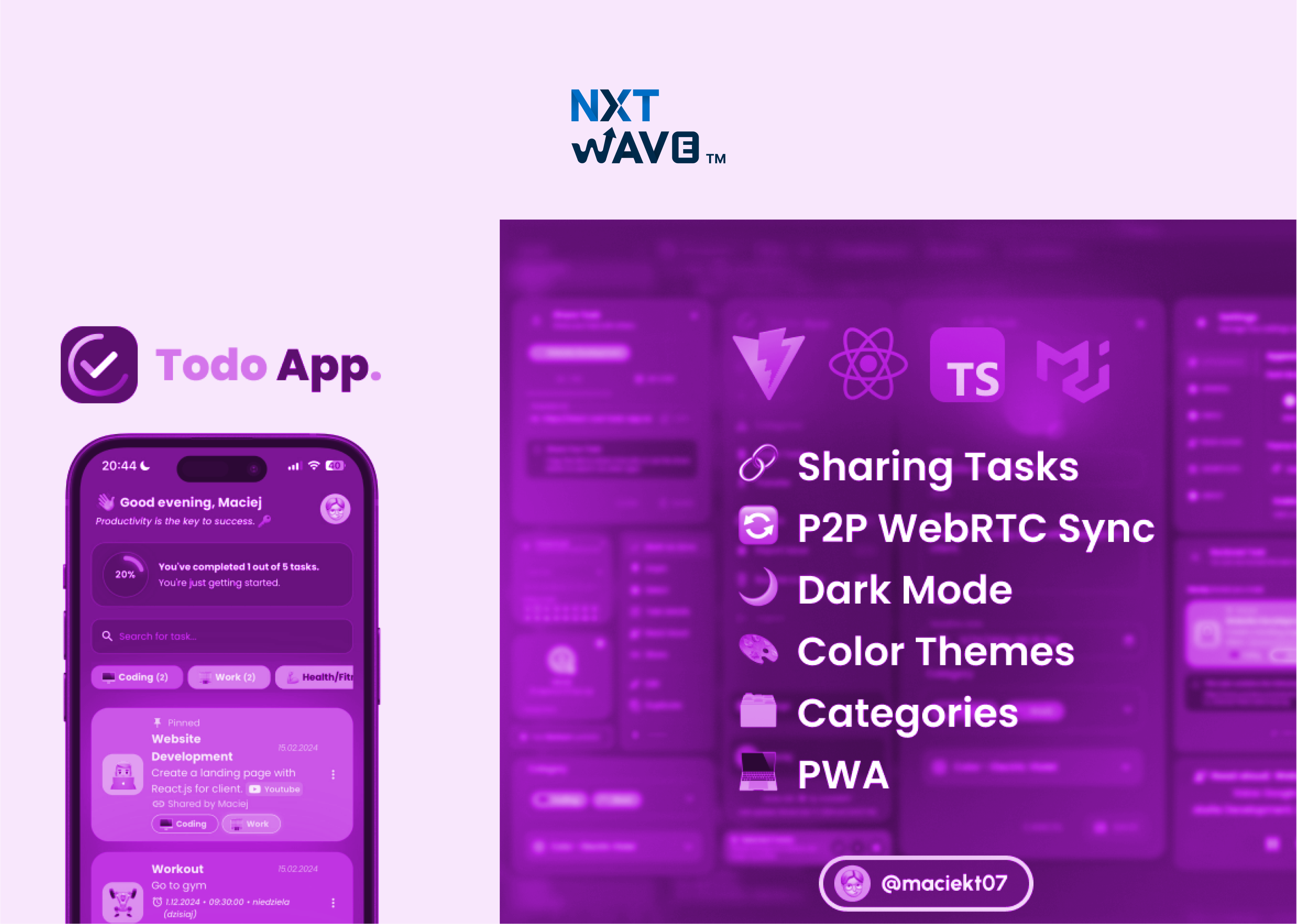
1. To-Do List App
It can be your first mern stack project which helps you a lot to get familiar with the MERN stack. Basically, you will be building a user-oriented application where users will be able to add, read, update and delete the tasks. The project will be your stepping stone to the knowledge of the journey of data from the front end to the back end and then into the database.
Source Code: https://github.com/topics/todo-list-app
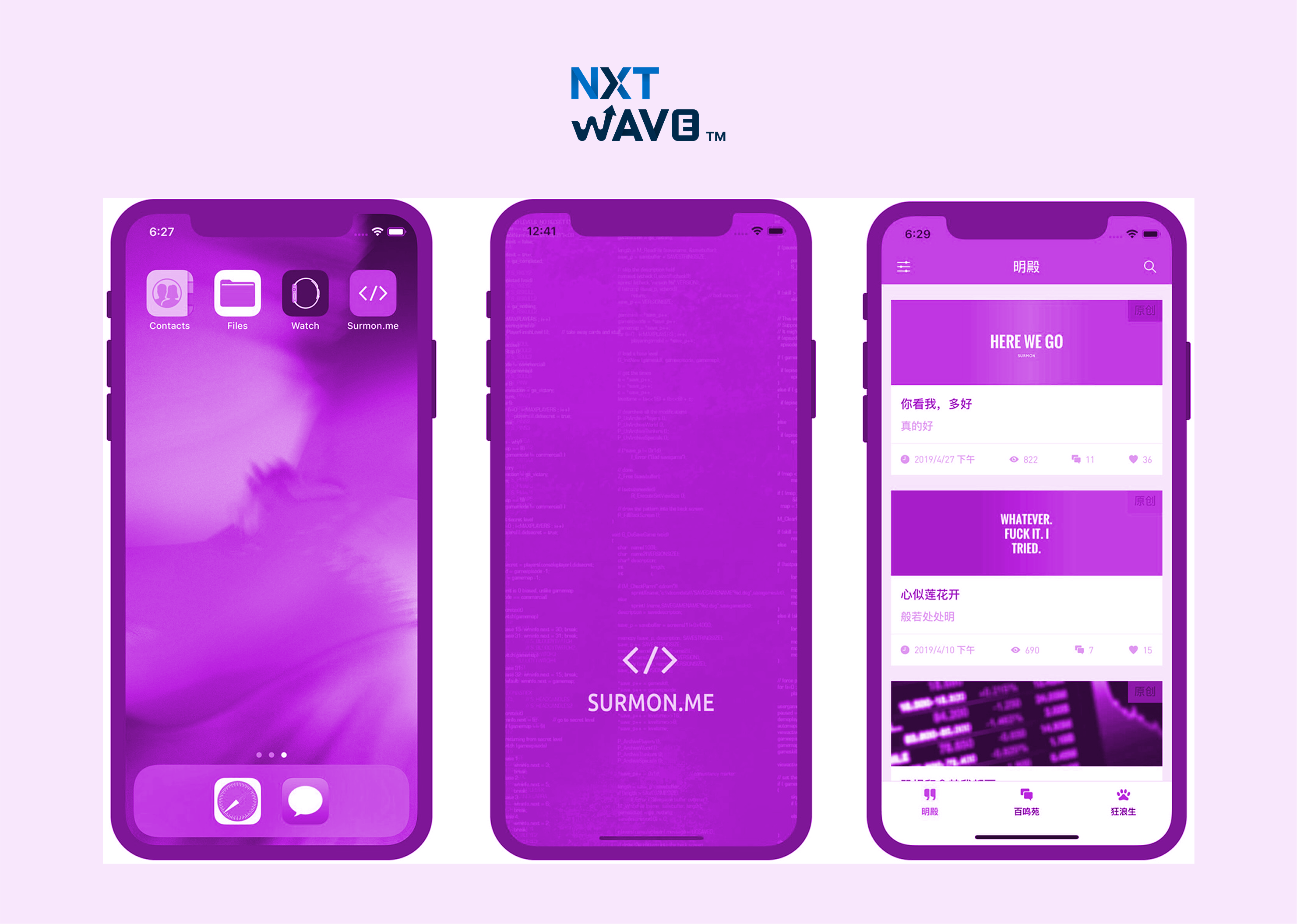
2. Simple Blog App
This is the basis for developing a user platform for posting, reading, and managing articles. You will learn to handle different data types (like text and dates), set up a user-friendly interface for inputting data, and create a front end that fetches posts from the database and displays them instantaneously.
Source Code: https://github.com/surmon-china/surmon.me.native
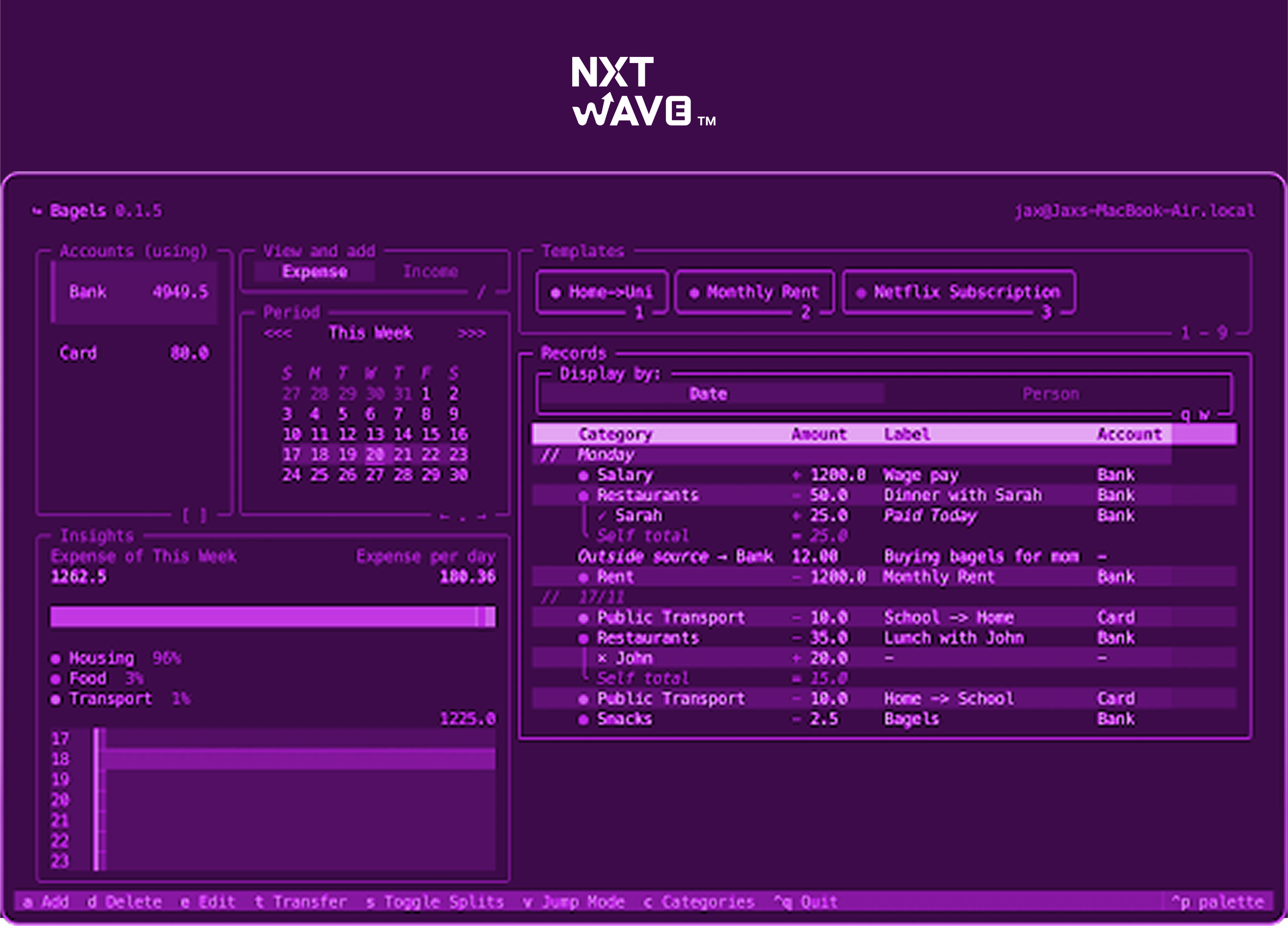
3. Basic Expense Tracker
The app is meant for users to note down their sources of income and expenses and keep track of them. This is the way to learn how to handle your data with numbers, how to do calculations on the server, and how to display the results on the front end. Besides that, this project also practices the use of React local state.
Source Code: https://github.com/EnhancedJax/Bagels
4. Weather App
The app gets and shows the current weather information of any place. The main goal is to learn how to integrate and consume a third-party API. Encrypting data requests asynchronously and displaying the data in a user-friendly way.
Source Code: https://github.com/darkmoonight/Rain
5. Notes App with Authentication
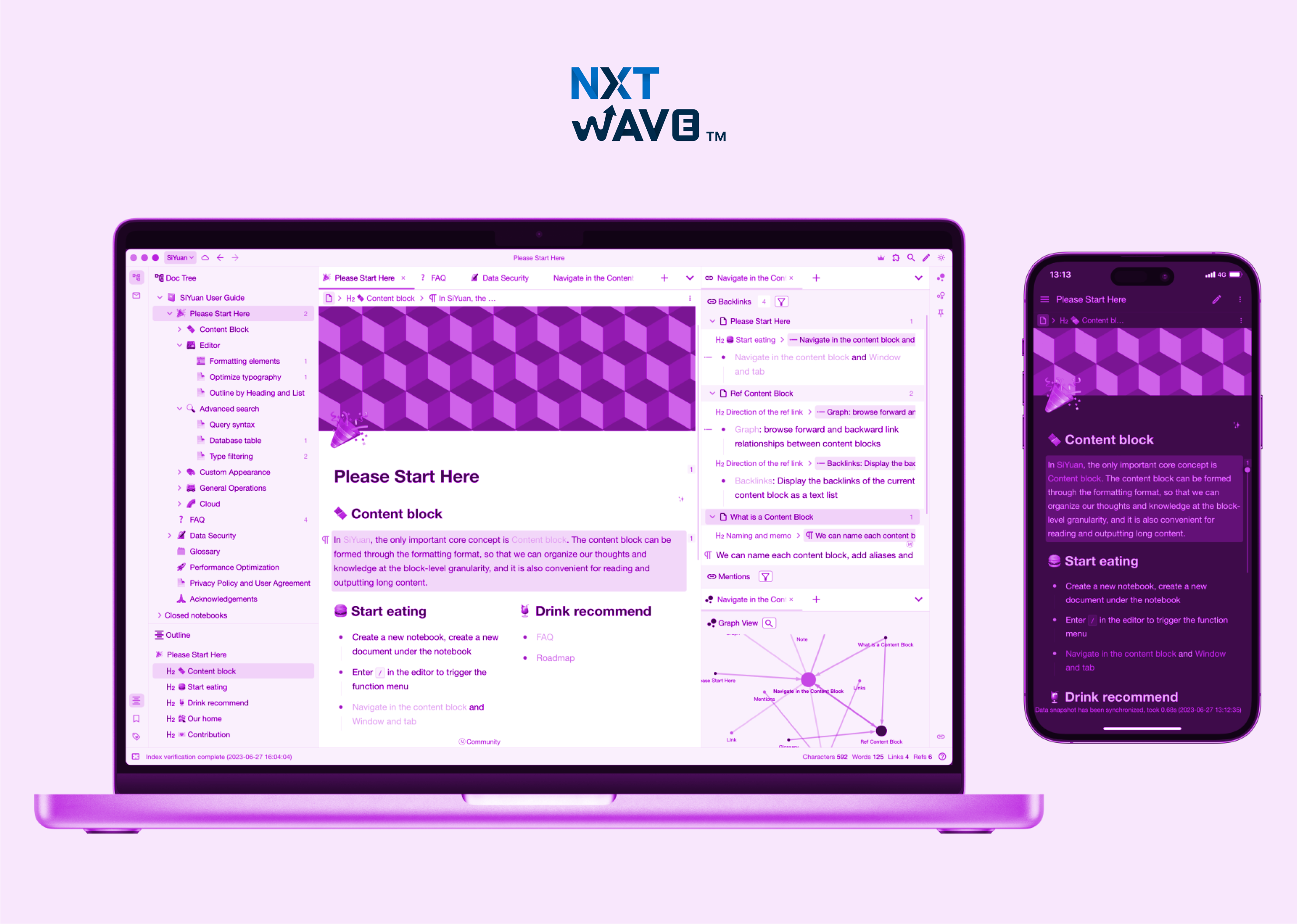
The new feature user authentication is added to the basic notes app. Implementing user registration and login, password hashing with bcrypt, and route protection for users only are the main learnings here.
Source Code: https://github.com/siyuan-note/siyuan
6. Recipe Sharing App
Users can share their recipes and find new ones on this platform. The project is terrific for learning of the image upload process, designing data schema for recipes, and making search function. Moreover, it is an enjoyable way to execute user-generated content.
Source Code:https://github.com/mearashadowfax/OpenStove
7. Simple Quiz App
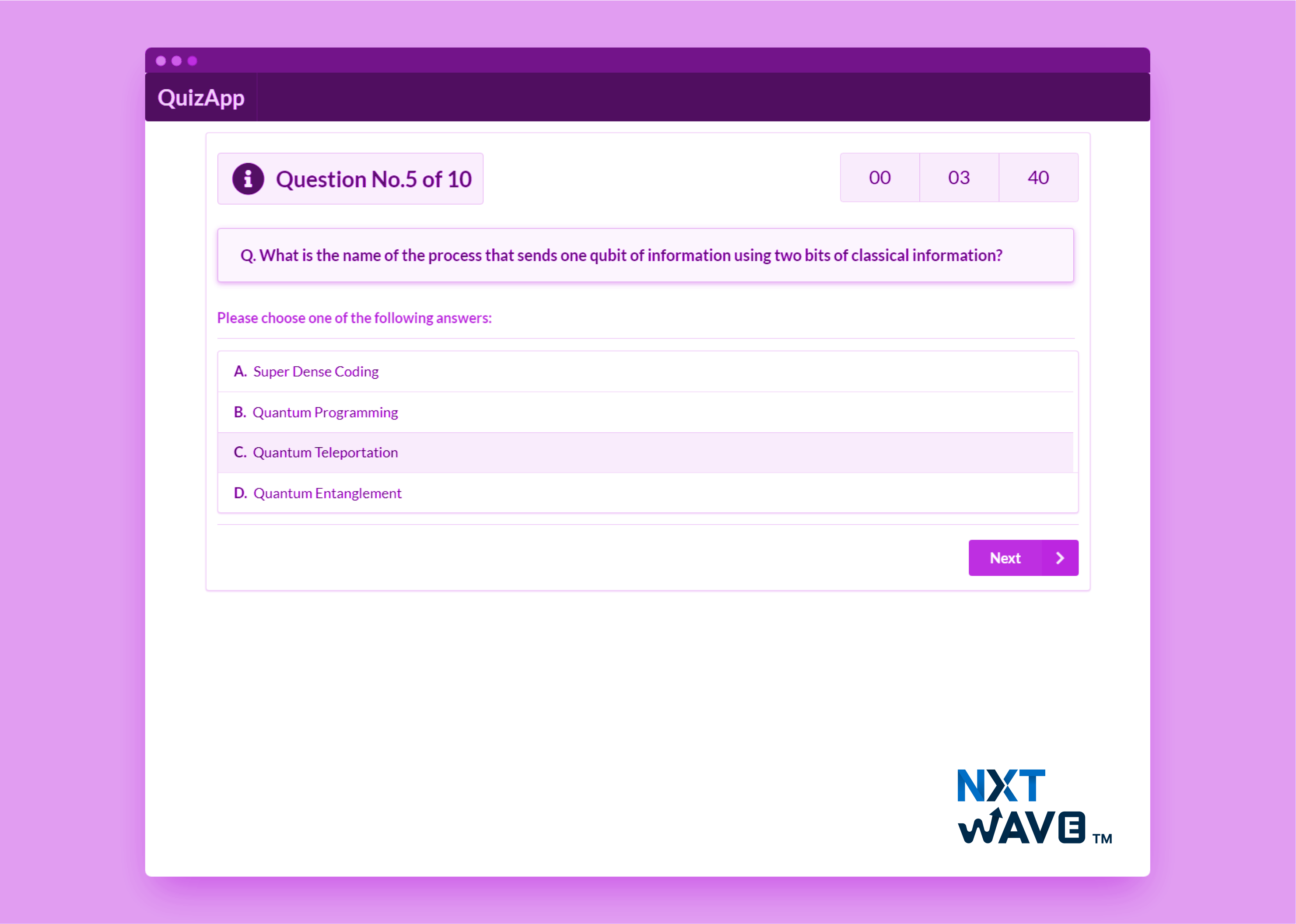
The app allows multiple-choice questions to be presented and a final score to be calculated. The project is ideal for managing the game's state, handling user interactions, and result displaying dynamically. The project is a simple way to develop your front-end logic skills.
Source Code: https://github.com/SafdarJamal/quiz-app
8. Media Player App
Just an app to playing music or video files. In this project, one deals with media and the managing of playback state. It's perfect for learning all the messiness of using media and creating a user interface with control buttons like play, pause, and volume.
Source Code: https://github.com/moneytoo/Player
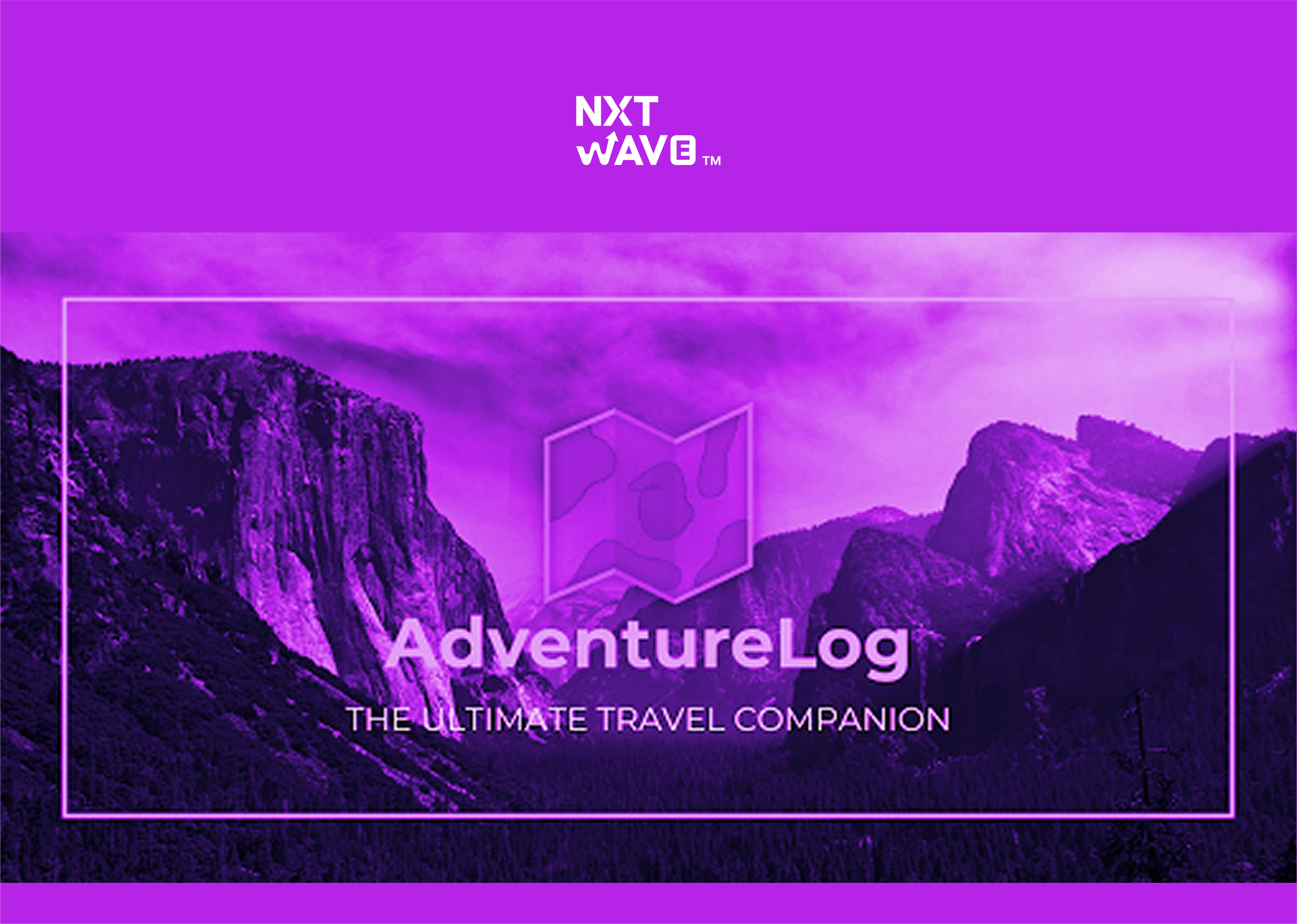
9. Travel Log App
A piece of software to keep a record of travel experiences. You will be taught how to work with different data types, for example, text, dates, and pictures, and to organize and present them. The project helps one to get better at designing and structuring the data as well as making a user-friendly interface for the travel entries.
Source Code: https://github.com/seanmorley15/AdventureLog
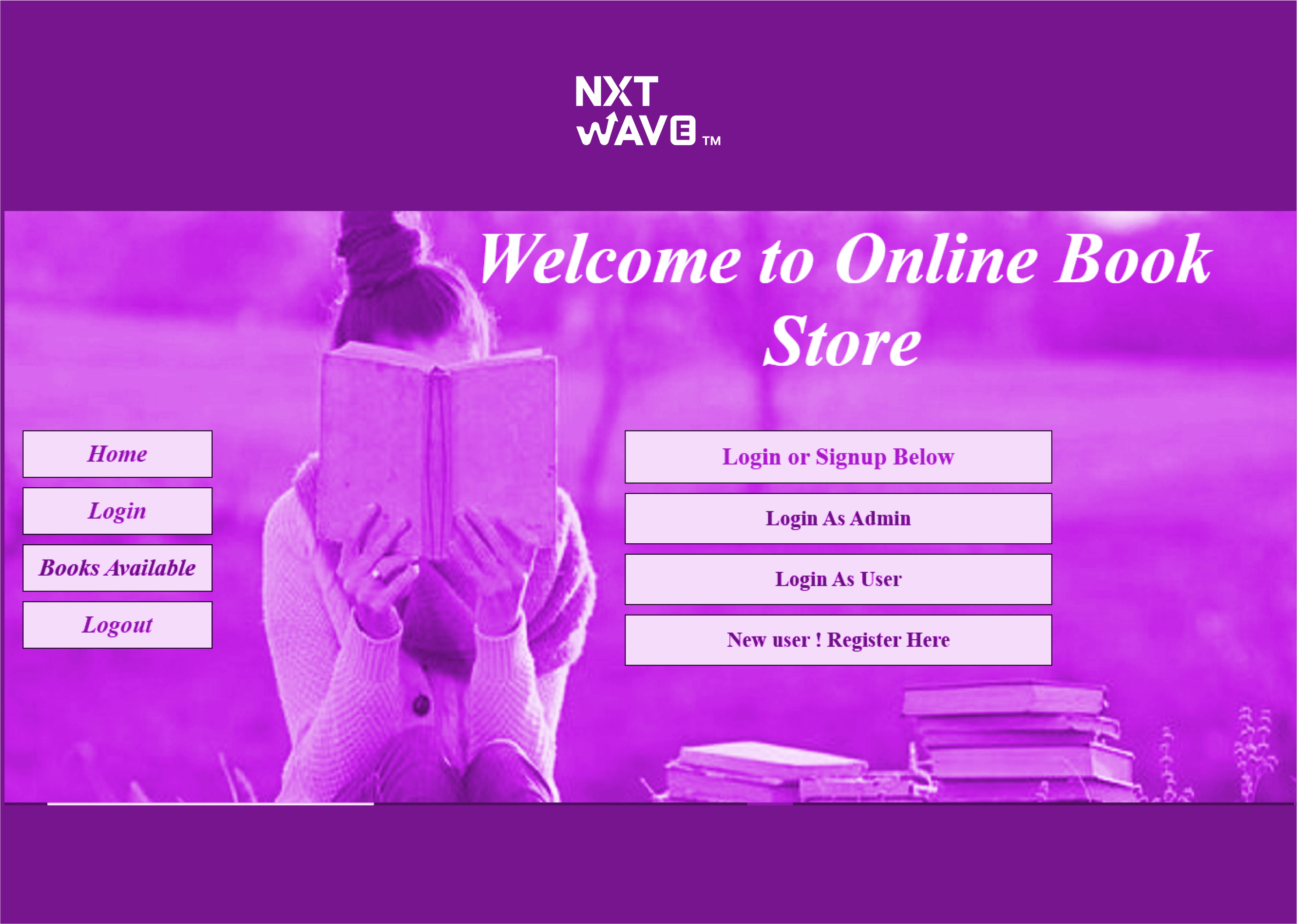
10. Book Store App
A platform for buying books online (without payment integration). This project shows the process of how to produce a catalog, how to shopping cart and the logic of checkout occurs. It is the perfect way to progress fur there more advanced e-commerce projects.
Source Code: https://github.com/shashirajraja/onlinebookstore
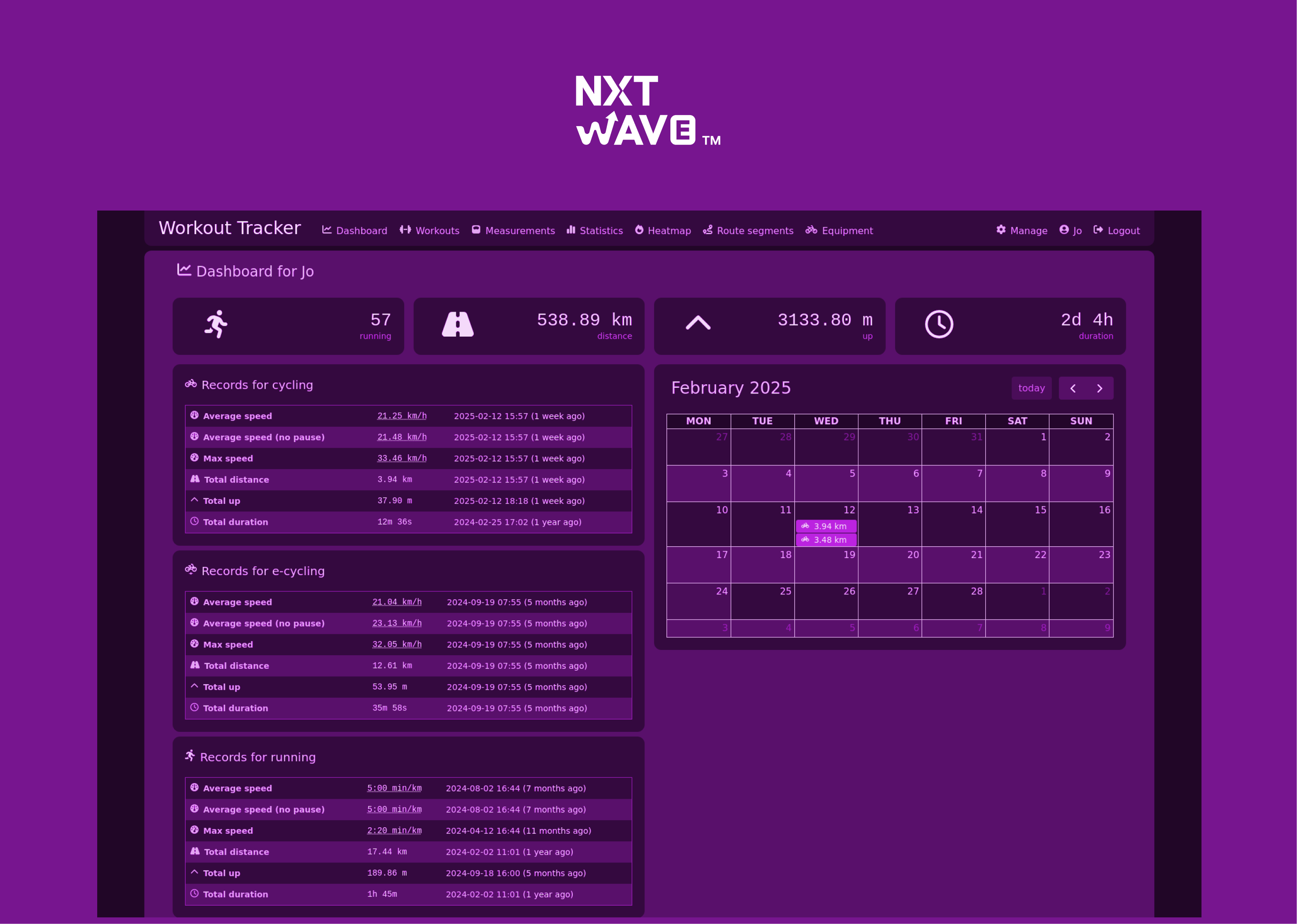
11. Fitness Tracker
The app designed to keep a log of workout routines and the performance that one wants to monitor. The project is suitable for the practice of time-series data handling and visualization. Additionally, it gives you the knowledge of user progress management and the display of data through charts or graphs.
Source Code: https://github.com/jovandeginste/workout-tracker
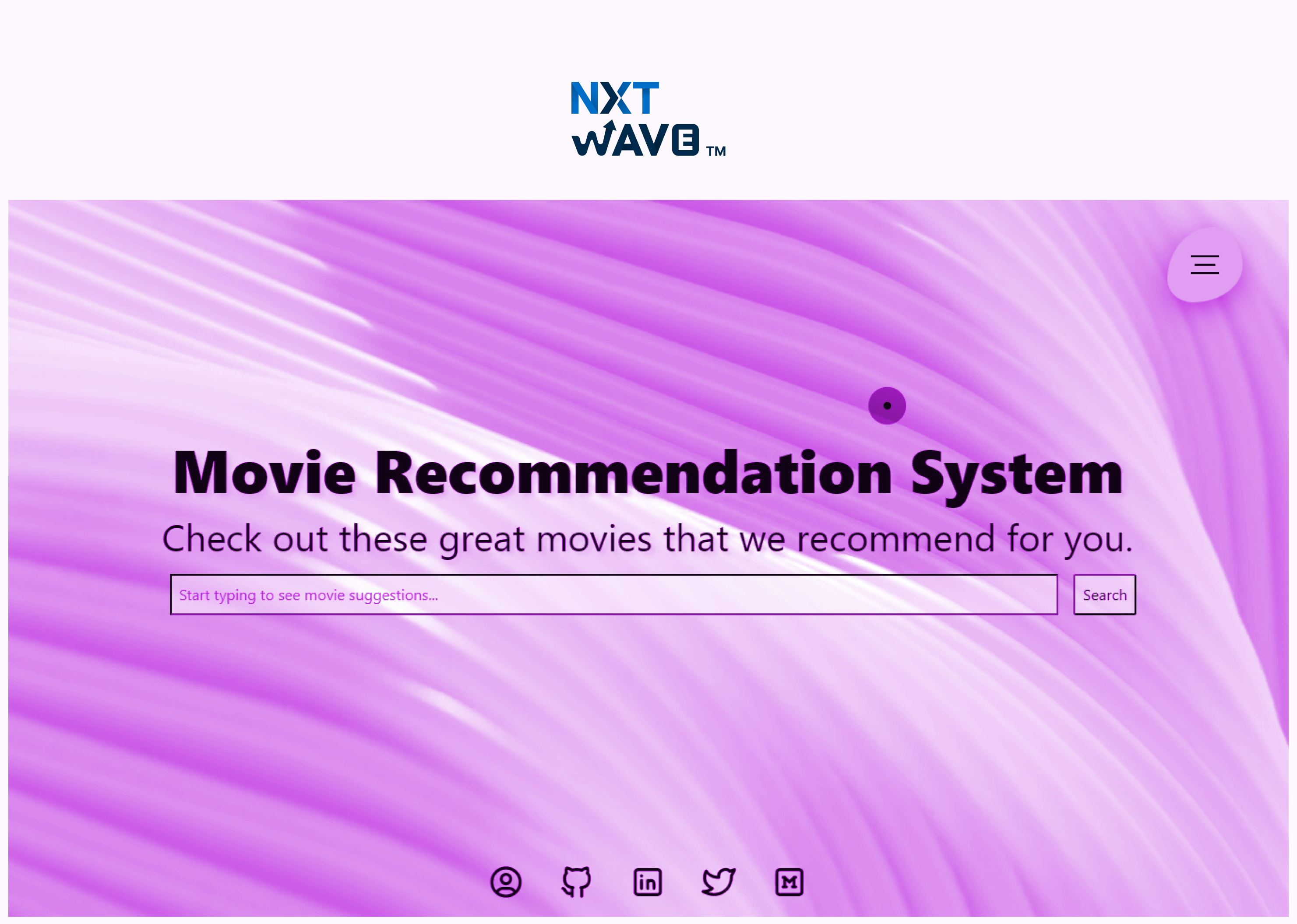
12. Movie Recommendation System
Just a simple system that recommends movies based on user ratings. The project is a good opportunity to practise the building of recommendation algorithms on the server side and showing the success on the client side. This project is like an introduction to machine learning concepts.
Source Code: https://github.com/inboxpraveen/movie-recommendation-system
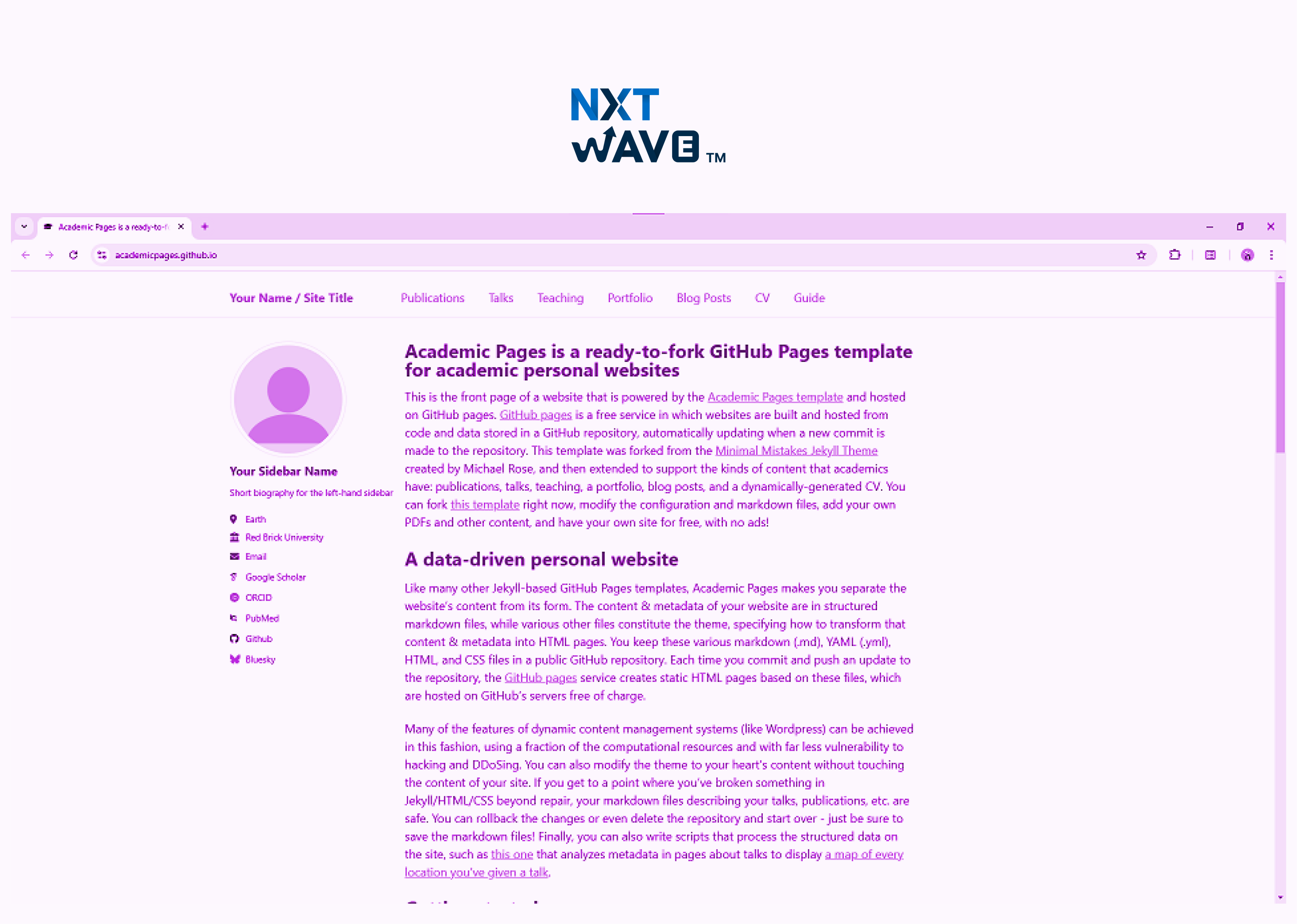
13. Portfolio Website
A website made just for you that presents your skills and projects. Creating your own portfolio with the MERN stack is a good way to put into practice all the components. It's a convenient way to show your potential employers what you are capable of while also acting as your professional online presence.
Source Code: https://github.com/academicpages/academicpages.github.io
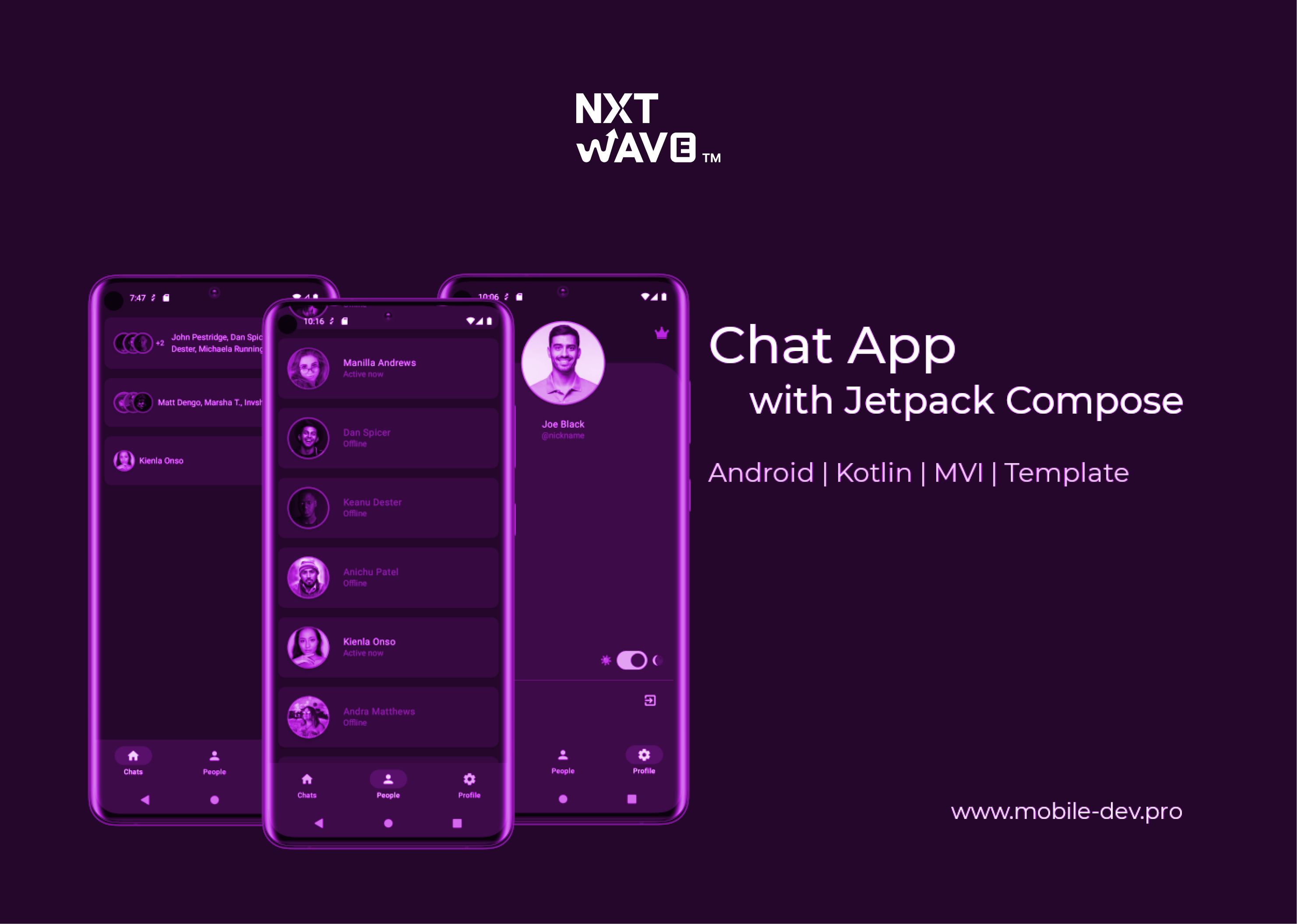
14. Simple Chat App
A real-time chat application powered by WebSockets. This project is to introduce the real-time communication concept, which is a very important skill for many modern web applications. You will learn the use of a library like Socket.io and the handling of real-time data streams among multiple users.
Source Code: https://github.com/mobiledevpro/closetalk.app
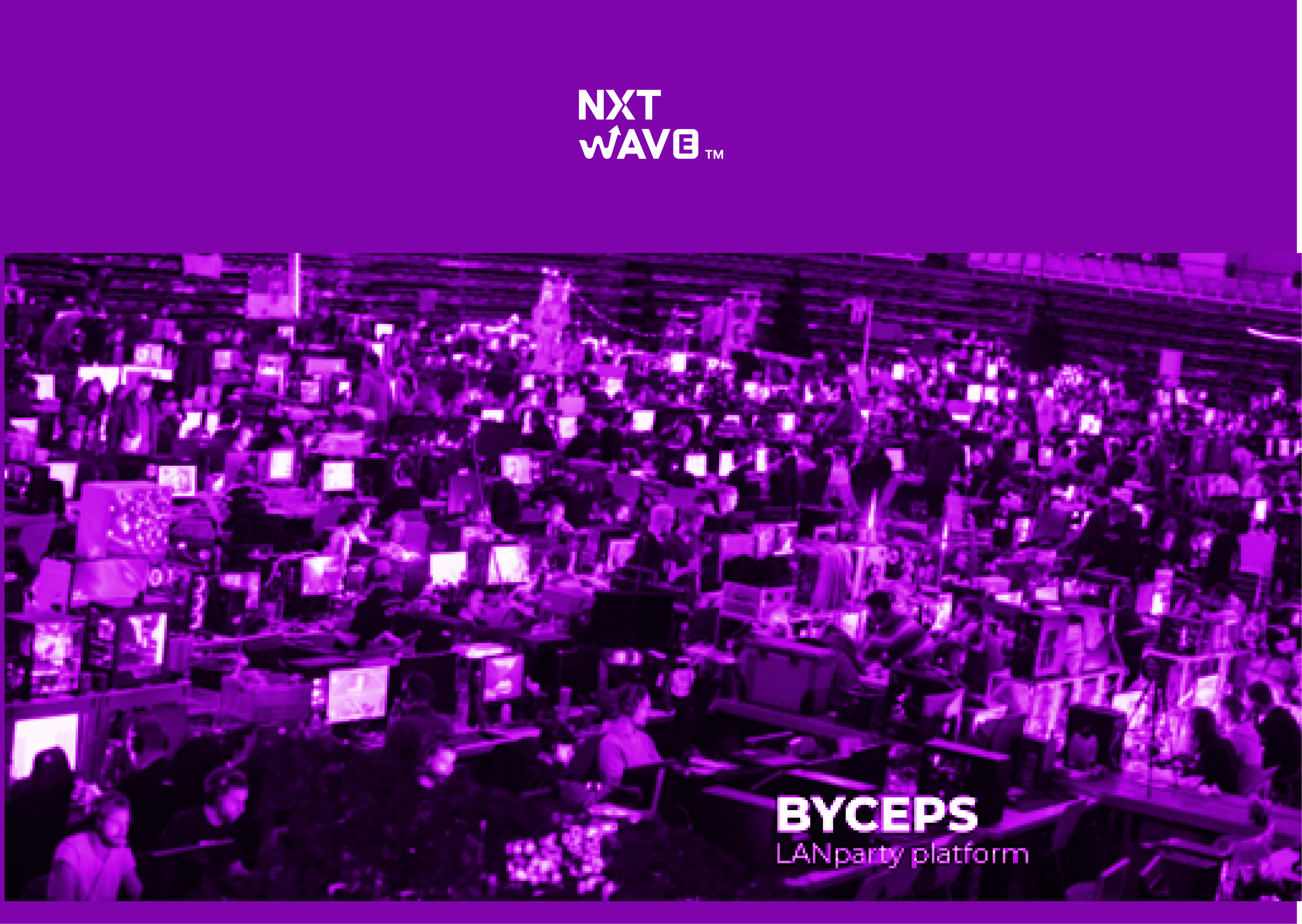
15. User Management System
An application for user registration, login, and profile management. This project is a good way to reach out and confirm your knowledge of user authentication, authorization, and secure data handling. The main focus is on the back-end logic for safe and efficient management of user data.
Source Code: https://github.com/byceps/byceps
Quick Note: 5 Most Commonly Chosen MERN Stack Project Ideas
These are the top picks among developers and bootcamp students because they’re practical and resume-ready:
- To-Do App – A classic CRUD foundation for beginners.
- Expense Tracker – Involves authentication and data visualization.
- Blog CMS – Introduces content management and file uploads.
- Chat App – Covers real-time sockets and event handling.
- E-commerce Store – Combines full-stack logic, cart management, and payments.
Tip: Start with one of these — they’re easy to build, highly relatable in interviews, and help you practice all core MERN components.
20 Portfolio-Boosting Projects for Freshers & Job Seekers
Working on such projects will definitely highlight your abilities and knowledge with the MERN stack concerning your portfolio.
1. Full-Stack E-Commerce Platform
An all-inclusive e-store featuring product listings, a shopping cart, and secured payment integration. With this project, you are covering the entire spectrum of development from front end (with React) to back end (with Node and Express), to database (MongoDB) plus some very important features such as user authentication, state management, and the all-important ability to connect to third-party services like Stripe for payments.
Source Code: https://github.com/MehraDevesh2022/mern-ecommerce-CricketWeapon-Store
2. Social Media App
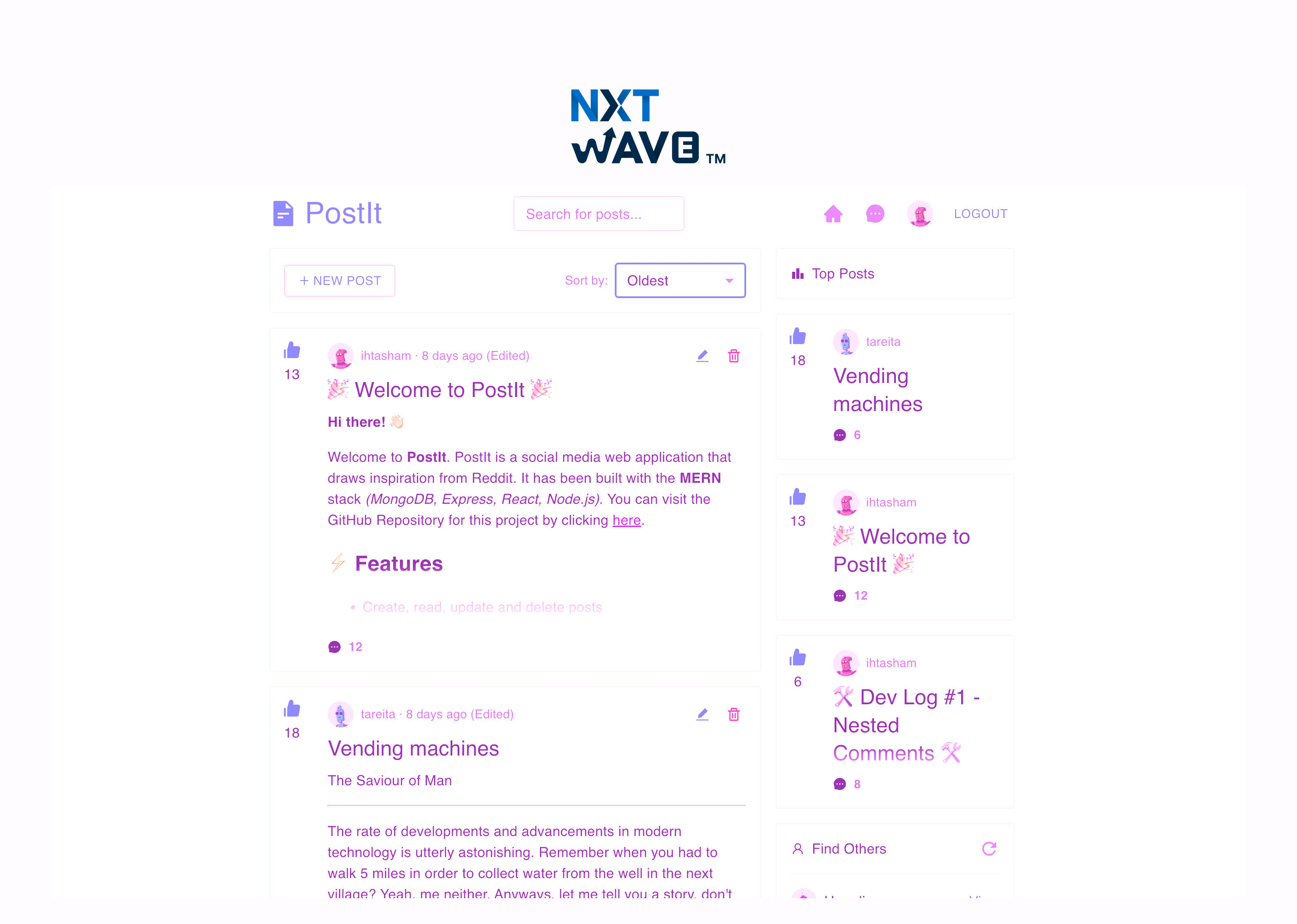
A community of people who can create profiles, post updates, and engage with each other. You can depict complex data relationships, user content, and real-time updates handling by this project. Thus, this is a suitable platform for you to prove your advanced full-stack and UI/UX skills.
Source Code: https://github.com/ihtasham42/social-media-app
3. Real-Time Chat Application
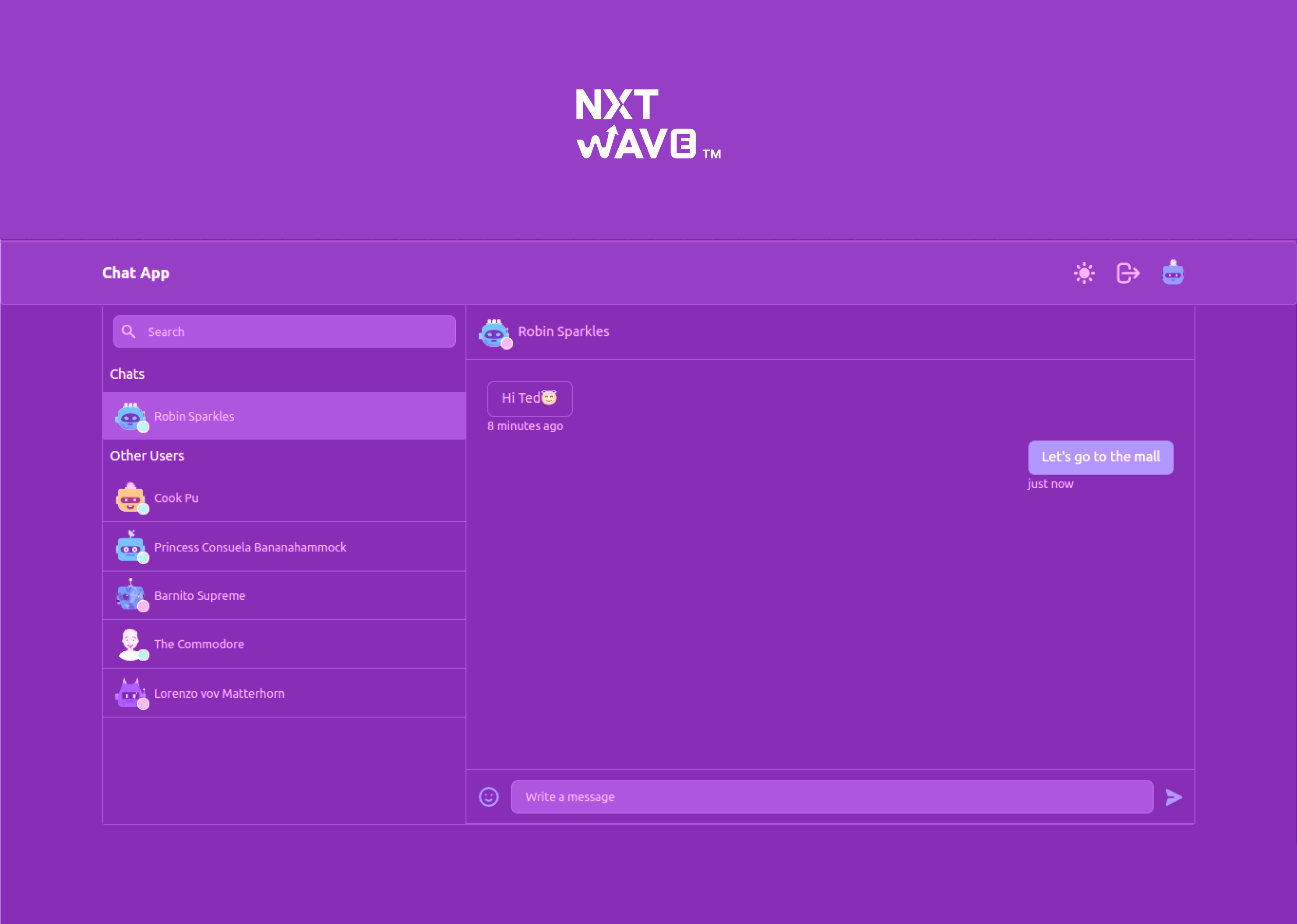
A feature-rich chat app with private messaging, user status updates, and chat rooms functions. This project is a considerable leap from a simple chat app as it necessitates the management of multiple conversations, user permissions, and the provision of secure, real-time communication.
Source Code: https://github.com/earthcomfy/lets-chat
4. Job Portal
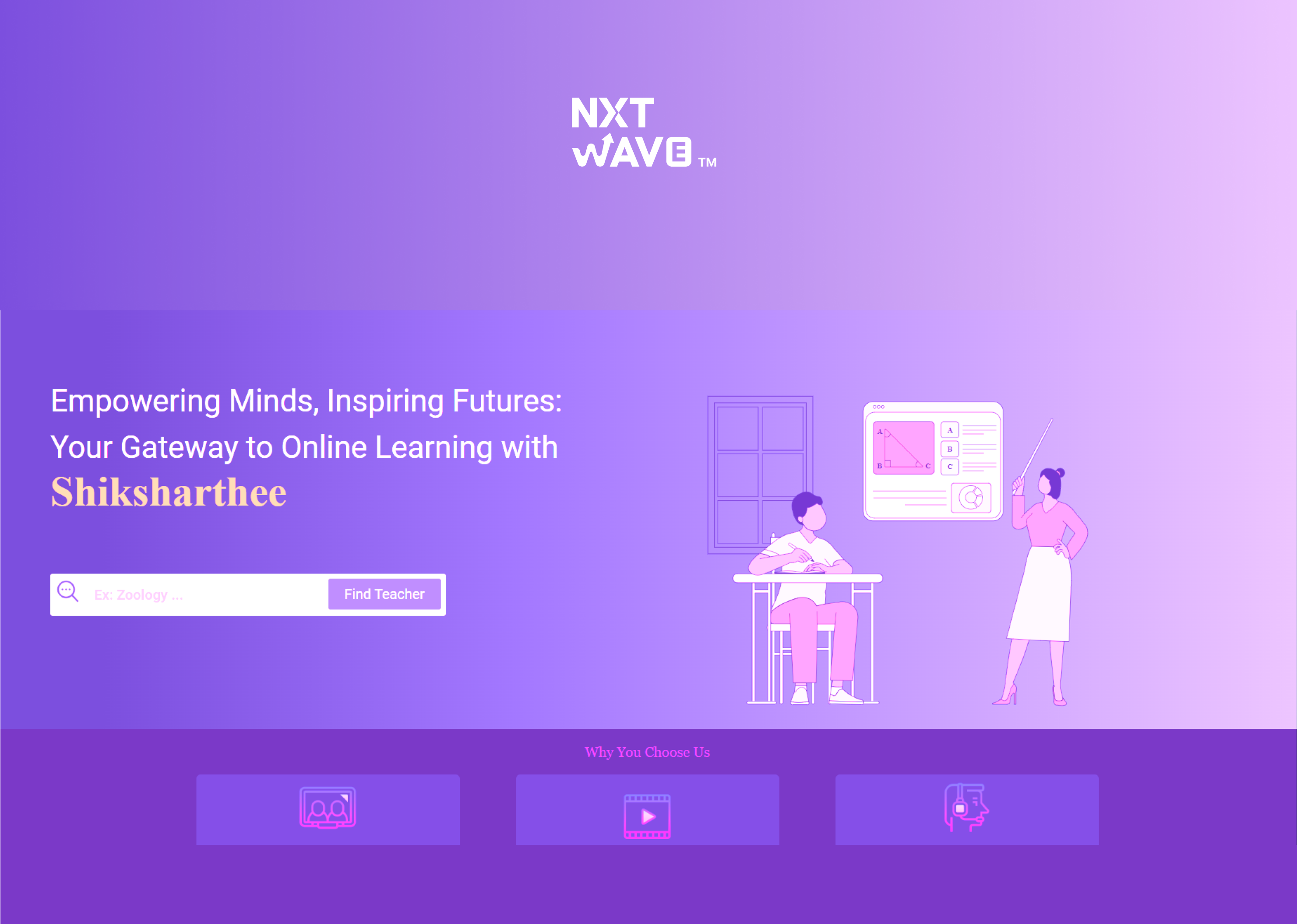
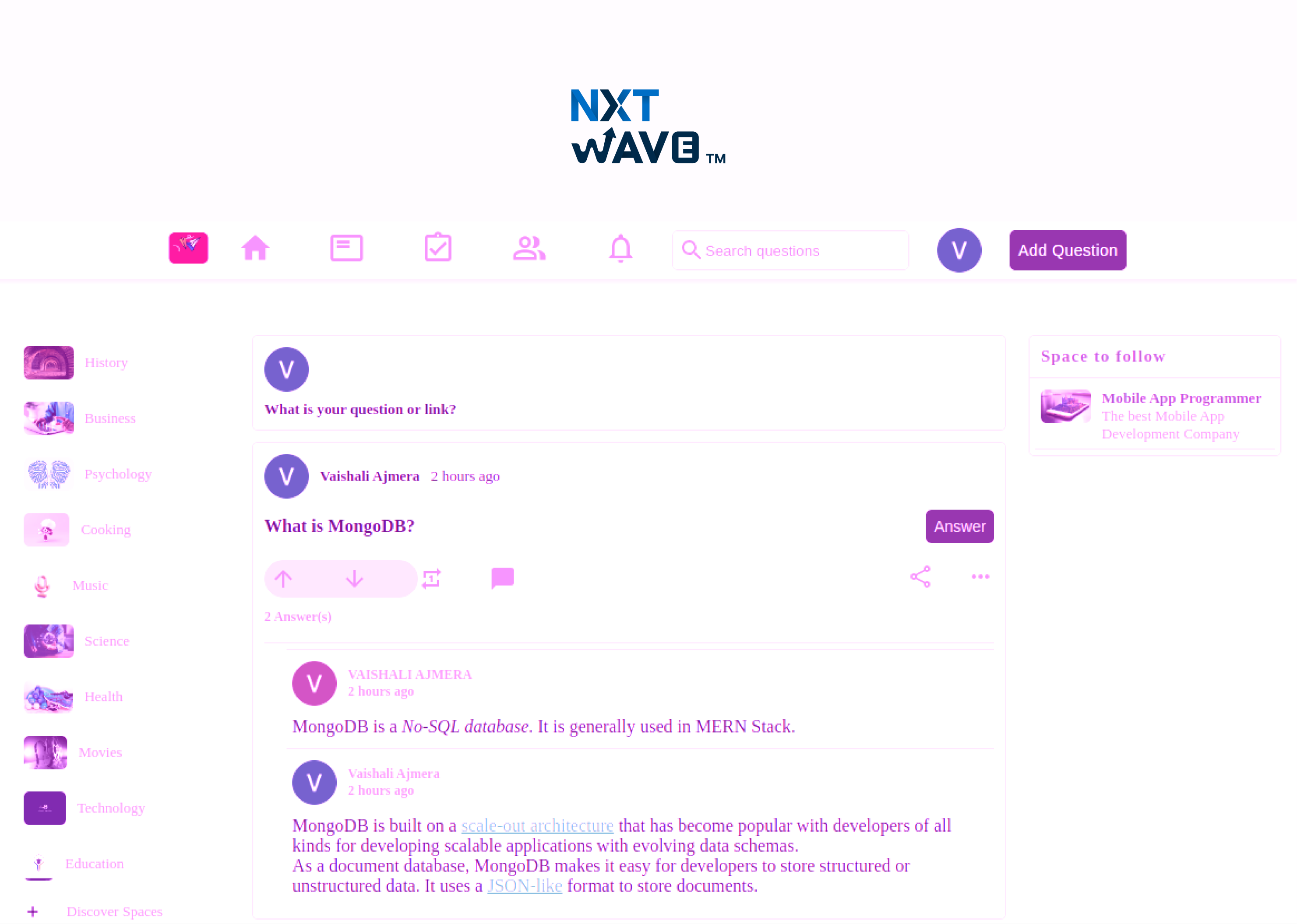
A web interface allows employers to post job openings and job seekers can apply for them. Through the implementation of different user roles (employer vs. job seeker), managing job applications, and including advanced search and filter features, this project shows your skills.
Source Code: https://github.com/SreelalChalil/Online-Job-Portal
5. Online Learning Platform
Basically, it's a website where users can sign up and run courses. The key tasks of the platform include managing course materials, recording user progress, and handling enrollment. This is an ideal way to demonstrate a full-stack application dealing with the data that have complex relationships and different user-specific data types.
Source Code: https://github.com/Pika003/e-Learning-Platform
6. Event Management System
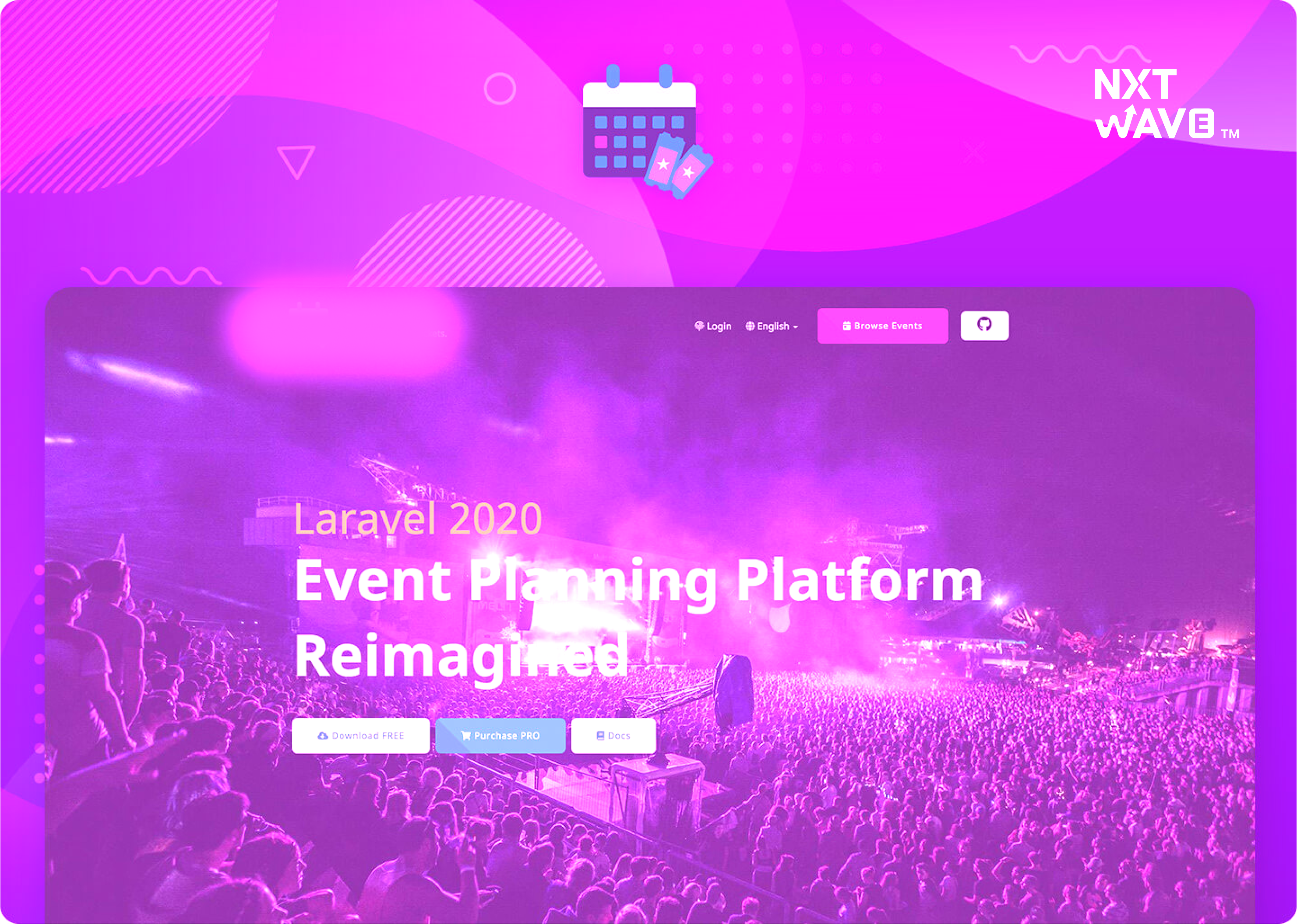
The app designed for the purpose of creating, managing, and booking events. By showcasing this project, you testify your adeptness in dealing with time-sensitive data, event registration of users, and complex data relations. Besides that, it also highlights your proficiency in creating an easy-to-use interface for event management.
Source Code: https://github.com/classiebit/eventmie
7. Project Management Tool
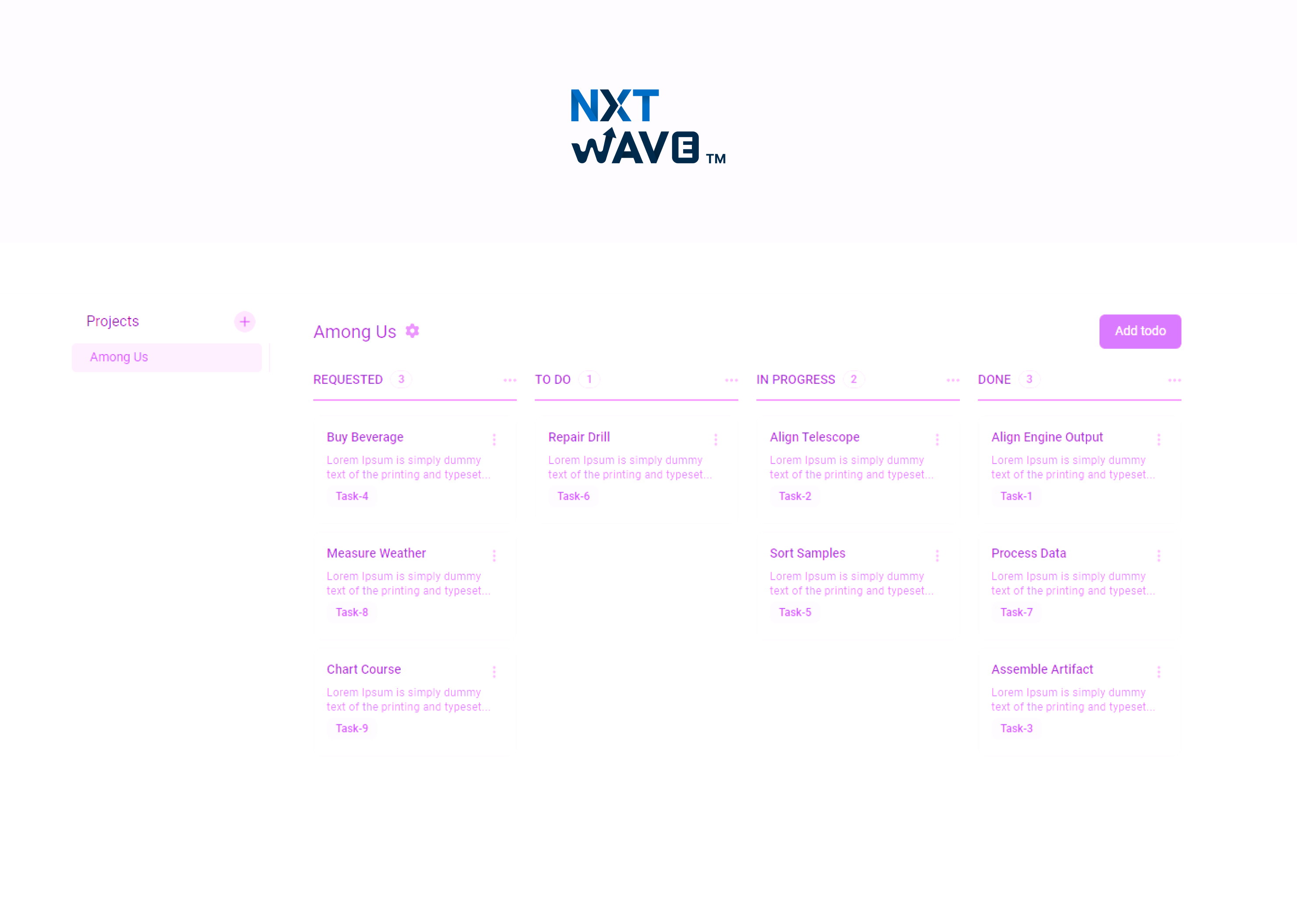
A tool just like Trello or Asana but it is for team collaboration and task tracking only. This work is about building a board-like interface, handling tasks, and managing multiple users working on the same project at the same time. It is a wonderful way to demonstrate your superior front-end skills.
Source Code: https://github.com/devravimori/project-menagment-system-in-MERN-stack
8. Food Delivery App
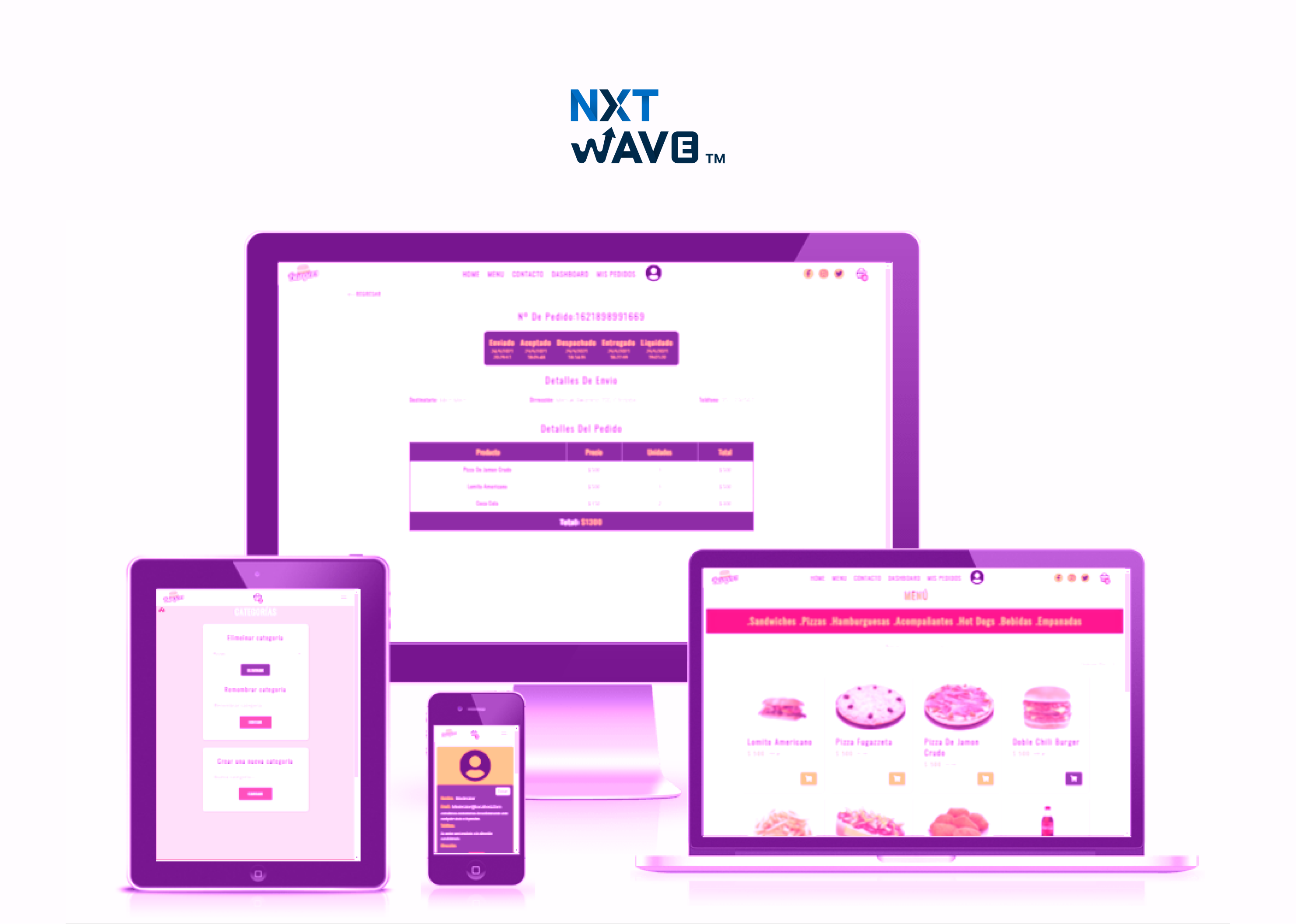
It is an application through which users can easily get a list of available food items from a restaurant, place an order, and track the delivery. The main features for this project include dealing with a complicated restaurant and menu database, the process of ordering, and real-time order tracking, which altogether make up a full-stack skill set.
Source Code: https://github.com/ayushnighoskar/FoodDeliveryApp
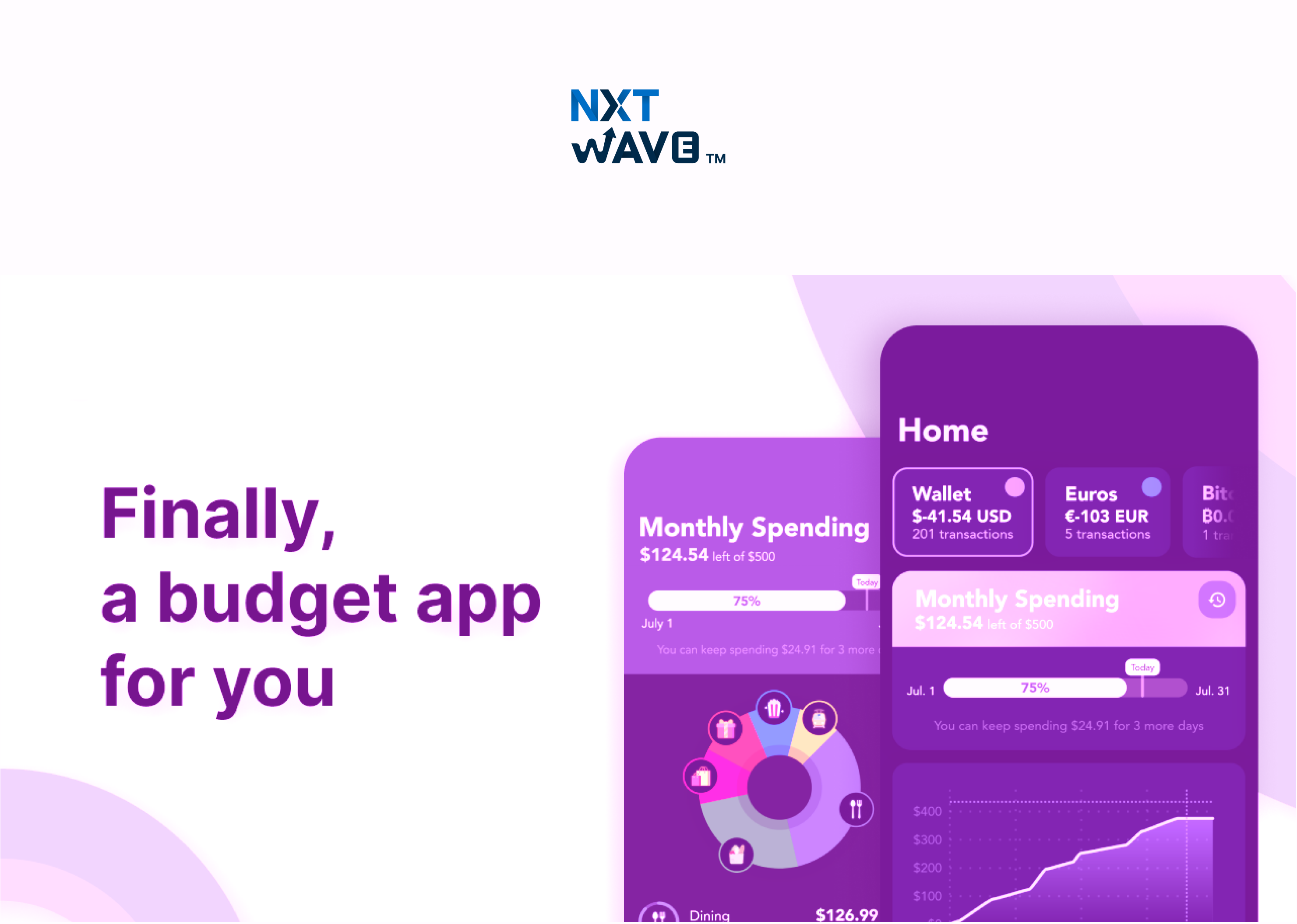
9. Budget Management App
The financial tracker of the most complete kind with data visualization. This project is basically building from the ground up a financial data handler, taking care of the calculations and displaying the financial insights through charts and graphs. It communicates the use of data visualization libraries and dealing with financial data.
Source Code: https://github.com/jameskokoska/Cashew
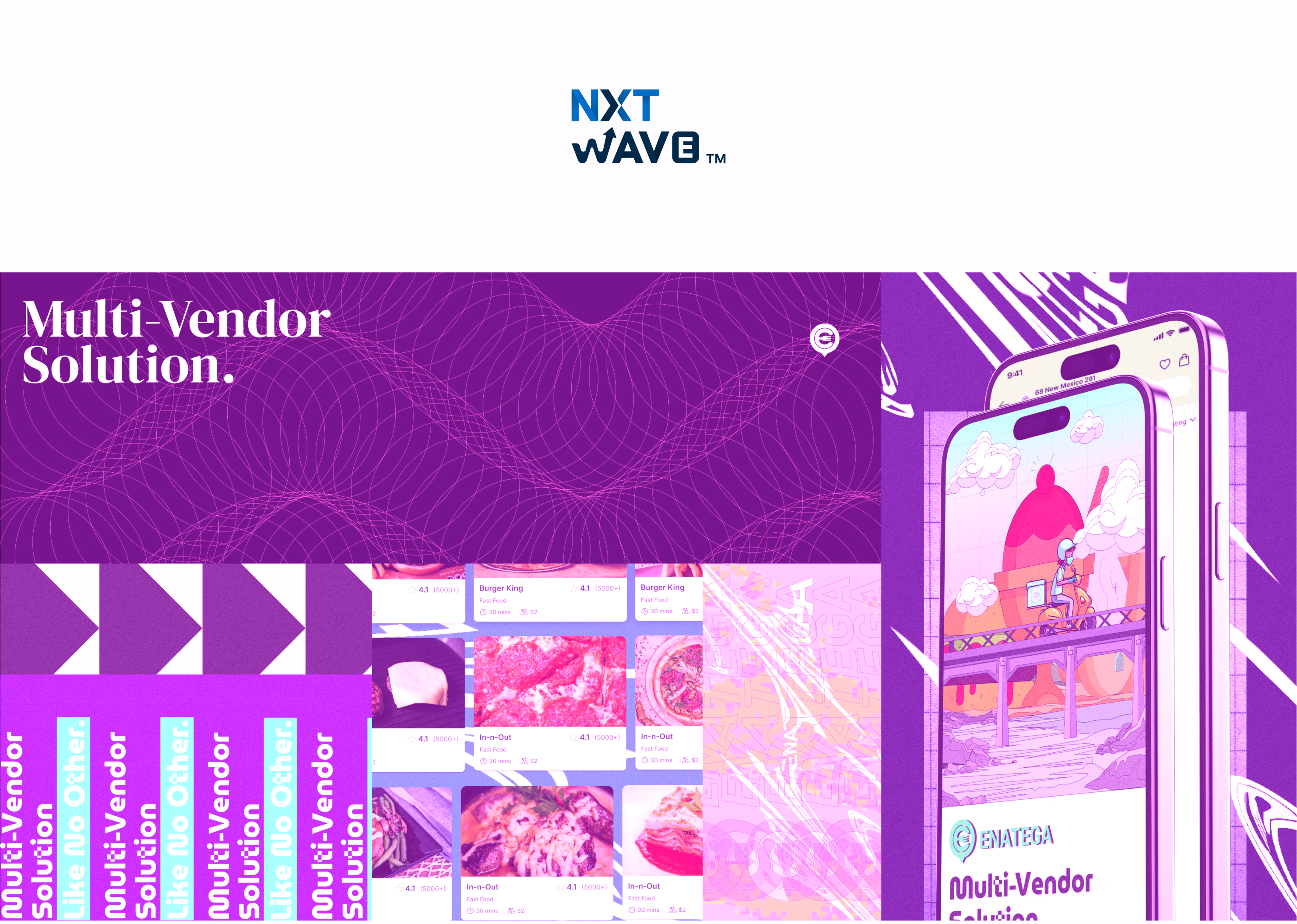
10. Restaurant Recommendation App
An application that allows users to find and rate restaurants. The main features covered in this app are handling user reviews and ratings, and creating a complicated search system. It reflects the proficiency of managing user-generated content and implementing a complex search and filtering system.
Source Code: https://github.com/enatega/food-delivery-multivendor
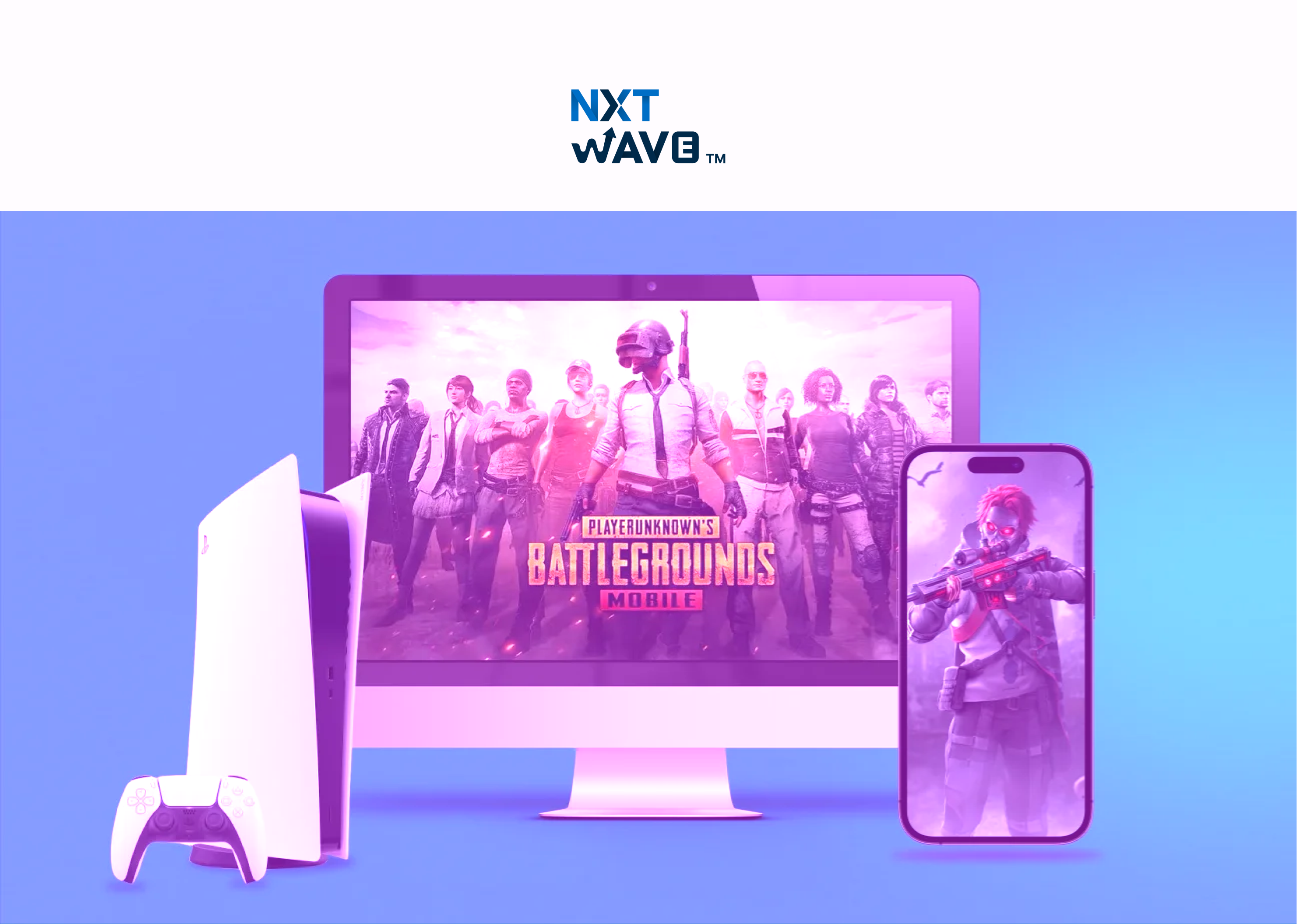
11. Gaming Platform
A web-based platform for playing and reviewing games. The development aspect of this project is mainly the handling of a great amount of game data, user reviews, and ratings. Along with that, you can also be able to showcase the wide range of your skills by creating a new game of yours.
Source Code: https://github.com/shreyasx/gamingstore
12. Online Auction System
An app where users can bid on items in real-time. The core aspects covered in this project are these real-time updates and managing auctions. It is an excellent opportunity to showcase your advanced skills in full-stack development, real-time communication, and complex data handling.
Source Code: https://github.com/topics/auction-system
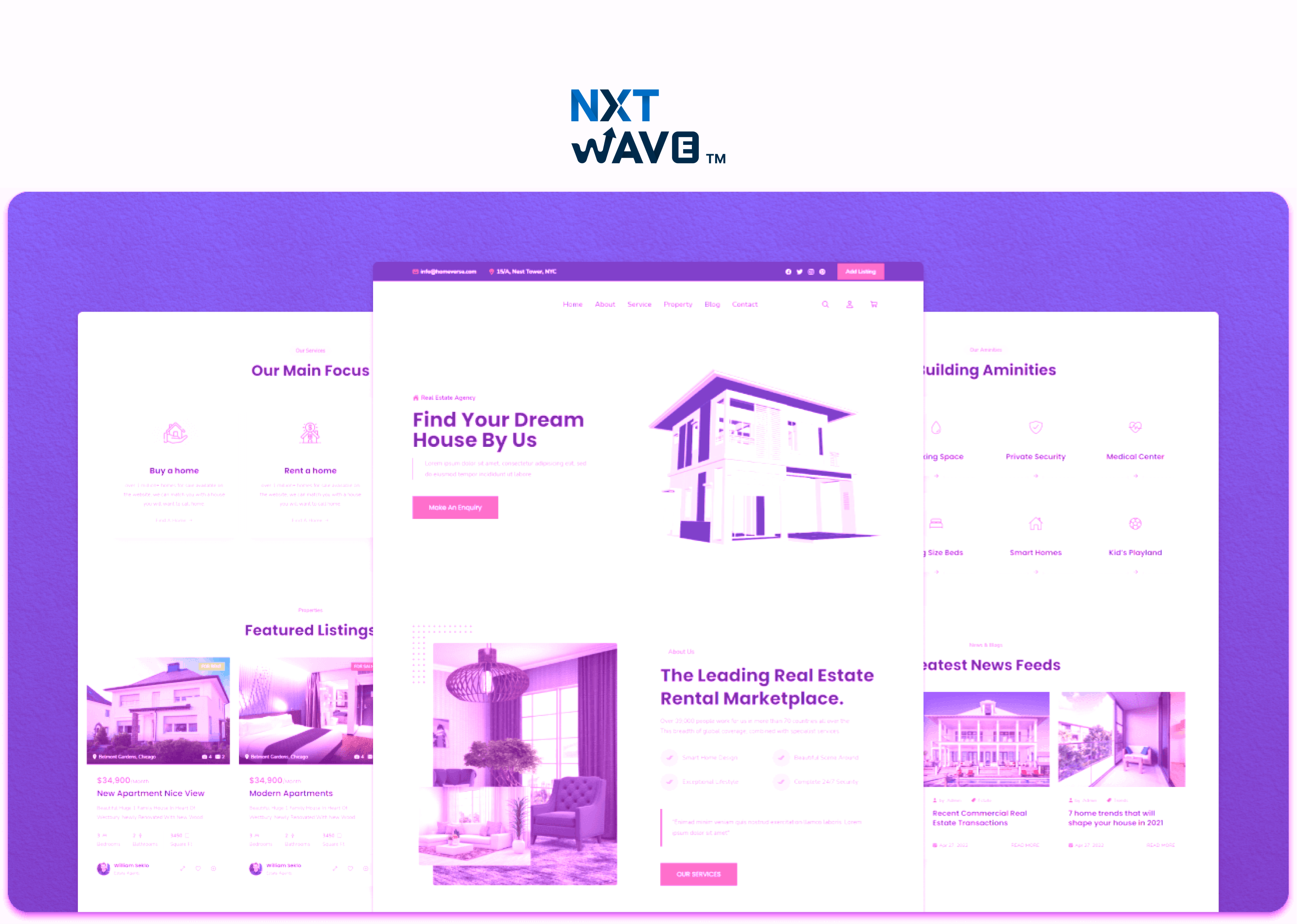
13. Real estate Management System
An online portal to listing and manage available properties. With this project, you are expected to manage tons of property data, images, and queries from users. By doing this, you can demonstrate a full-stack application that is data management-centric and also has an easy-to-use search interface.
Source Code: https://github.com/codewithsadee/homeverse
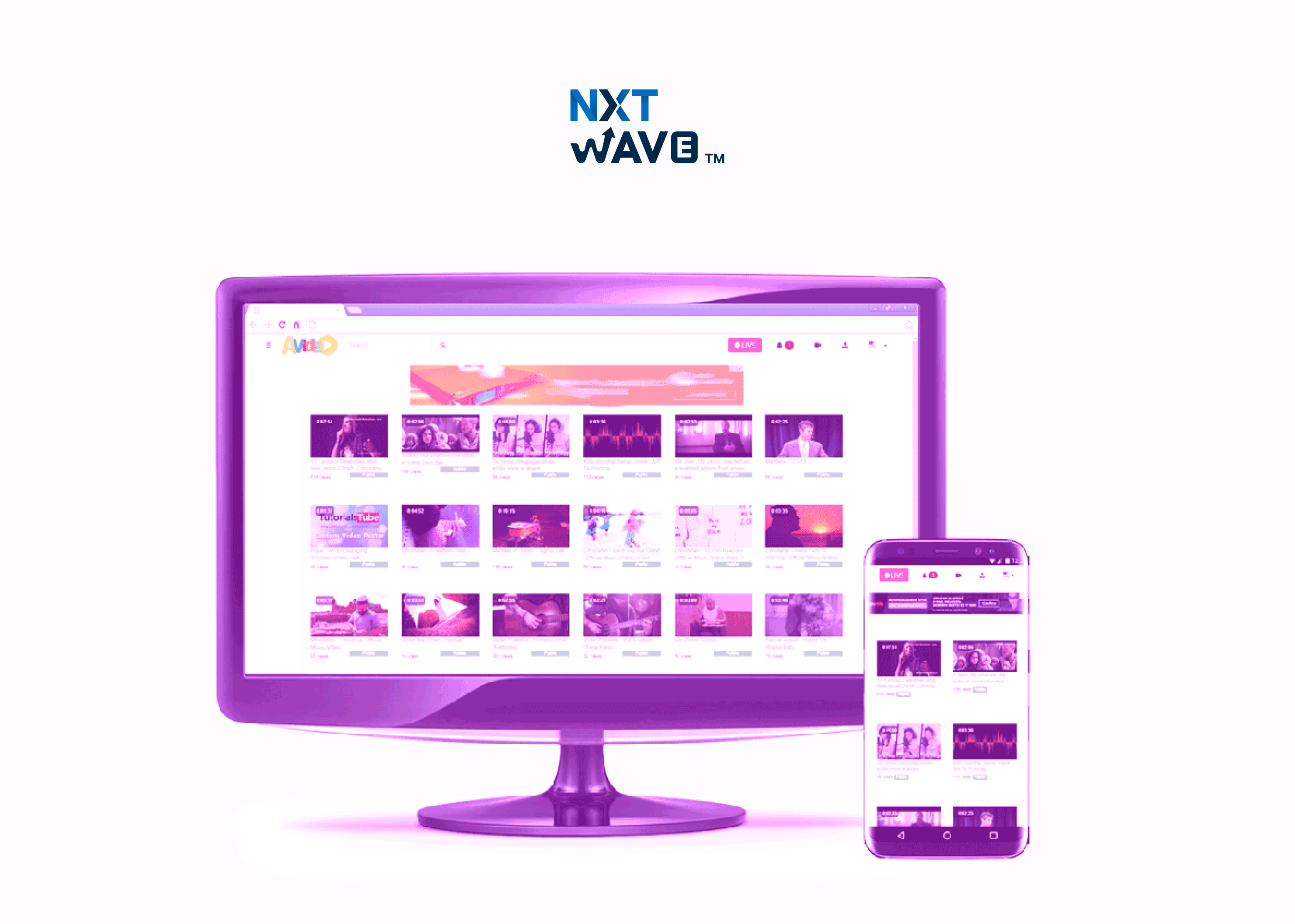
14. Video Streaming App
A software program that allows the upload and streaming of the video content. The main tasks of this project are to handle large files, manage video streams, and create a user-friendly interface for watching videos. It is a complicated project that the developer may use to show his full-stack level of expertise.
Source Code: https://github.com/ossrs/srs
15. Crowdfunding Application
A platform to initiate and provide funds to campaigns. The scope of this project is to deal with numerous campaigns, donations from users, and an easy-to-use interface. It is a perfect way of exhibiting a full-stack app by heavily focusing on data management and user interactions.
Source Code: https://github.com/AkshatSinghRajput/Crowd-Funding-Application
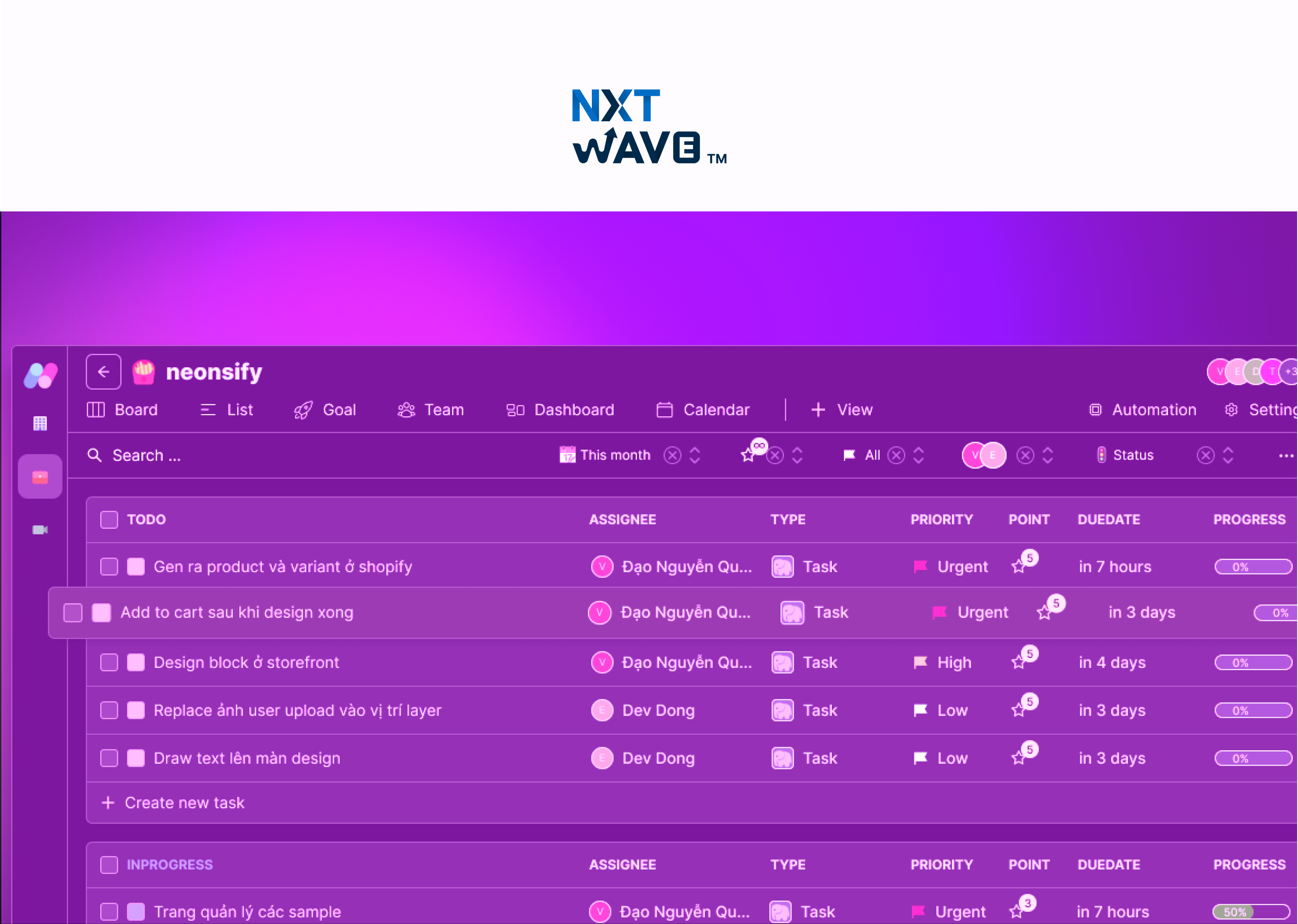
16. Task Management App
A more sophisticated and feature-rich version of the to-do list, having project boards and deadlines. The aim of this project is to cater to multiple tasks, deadlines, and project boards. It is a perfect way of demonstrating the skills of the advanced front-end and data management.
Source Code: https://github.com/aayush301/MERN-task-manager
17. Community Forum Page
A community forum is a user communication platform where members can publish topics and reply. The application here deals with user-generated content management, comment handling, and an easy-to-use interface. It is a great opportunity to demonstrate a full-stack project with a strong emphasis on user interactions.
Source Code: https://github.com/shubhamraj-24/Community-Forum
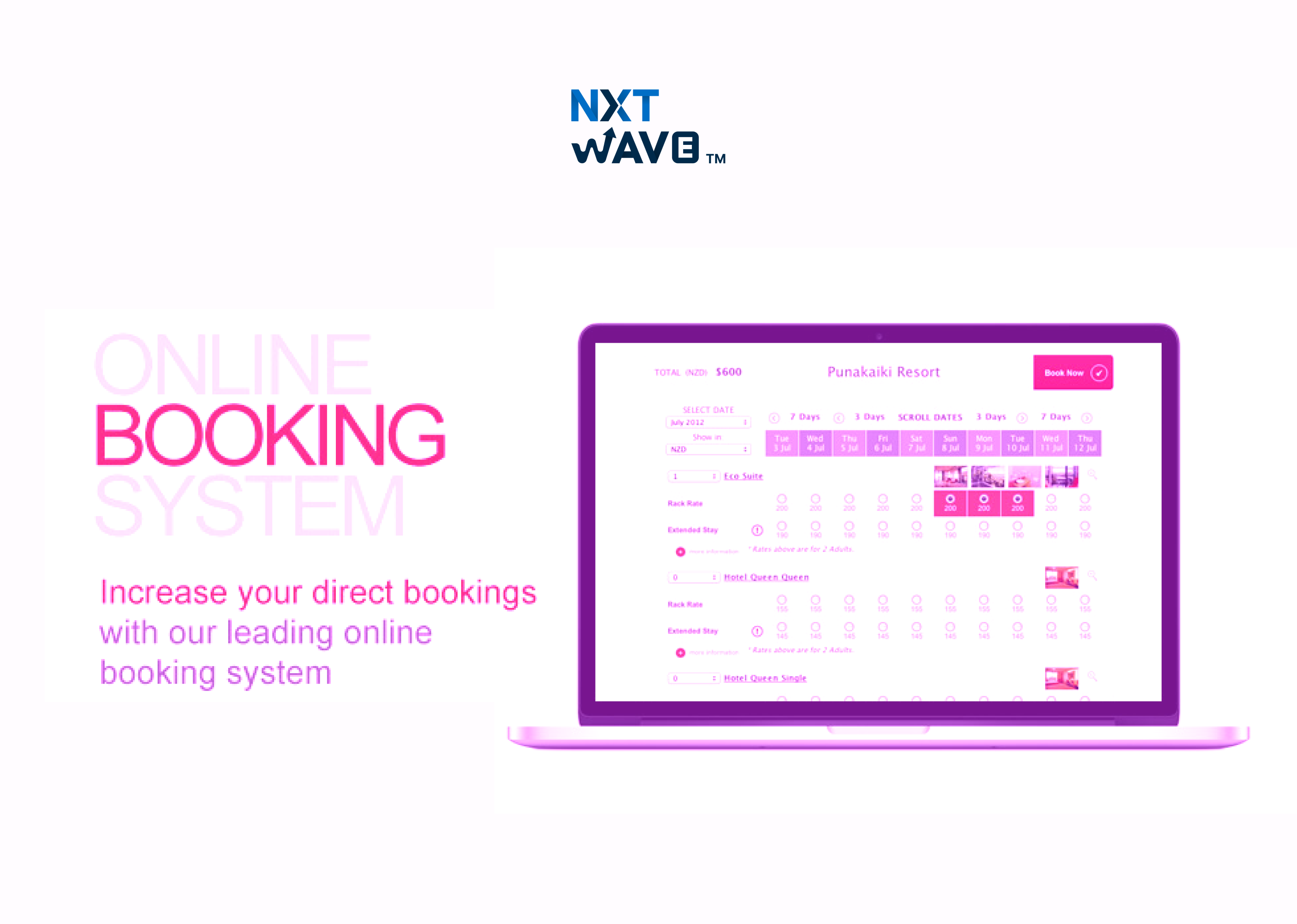
18. Booking System
It is an appointment scheduling app. The mentioned work is about managing time-sensitive data, handling bookings, and a user-friendly interface. This is a good illustration of a full-stack application with a primary focus on data management.
Source Code: https://github.com/SamiurRahmanMukul/Hotel-Room-Booking-System
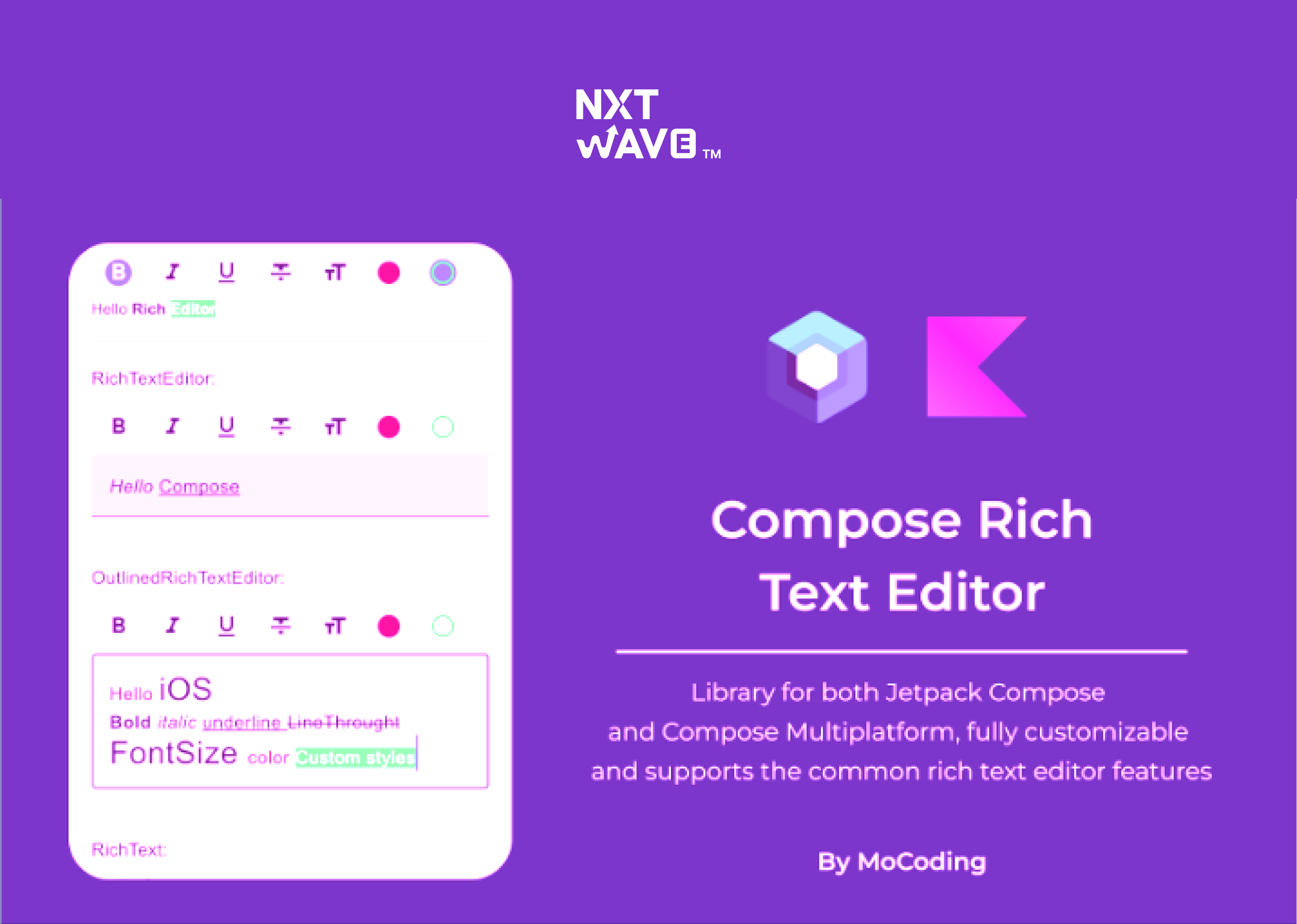
19. Notes Maker with rich text editor
A notes app with an integrated text editor. The work involves content creation by users, rich text format, and ease of user interface. It is a good example of a full-stack app with a strong emphasis on user interactions.
Source Code: https://github.com/MohamedRejeb/compose-rich-editor
20. Text Summarizer
Text summarizing application by employing an external API. The endeavor is about third-party API integration, handling of text data, and a user-friendly interface. This is an excellent example for demonstrating the full-stack application with the primary focus on API integration.
Source Code: https://github.com/Amey-Thakur/TEXT-SUMMARIZER
Quick Note: MERN Stack Ideas with Multiple GitHub References
If you like learning by example, here are projects that already have strong open-source ecosystems on GitHub — meaning you can find multiple repos, forks, or tutorials around them:
- E-commerce Platform (like Amazon Clone) – 1000+ repositories, multiple implementations.
- Real-Time Chat App (Socket.IO + MongoDB) – Common across learning paths and tutorials.
- Blog or Forum System (Reddit/Dev.to Clone) – Popular for authentication and comment threads.
- Task/Project Management Tool (Trello Clone) – Great for React state management practice.
- Learning Management System (LMS) – Excellent for handling complex user roles.
Pro Tip: Search these on GitHub with the keyword “MERN” — study repo structures and improve upon existing code.
15 High-Impact Projects for Experienced Developers
These projects are intended to exhibit the profound knowledge of software architecture, scalability, and the latest technologies.
1. AI-Powered E-commerce Platform
An e-commerce website with a built-in AI recommendation engine. This project is a perfect example of the skills of machine learning integration, data analysis, and personalized user experience creation. Your capacity to developing a complex, data-driven application is highlighted.
2. AI-Powered Text Translation Tool
A language barrier tool that supports speech input and output. Working on this requires the skill of NLP, real-time audio processing, and seamless integration with a sophisticated AI API. It is the easiest way to demonstrate the use of the latest technology.
Source Code: https://github.com/4xmen/xshop
3. AI-Based Resume Analyzer
A software application which applies machine learning to resume scanning and interpretation. This is a portfolio of skills in text handling, data extraction, and creating a machine learning model. It is a wonderful example of how AI can be applied to solve problems that are common in many industries.
Source Code: https://github.com/deepakpadhi986/AI-Resume-Analyzer
4. Real-Time Sentiment Analysis Tool
An application that captures the feelings of the masses from Twitter, Facebook, etc., or reviews. The functionalities are real-time data acquisition, NLP, and data representation. This stage is an excellent one for advanced skills to be showcased in data analysis and real-time systems.
5. Multiplayer Gaming Platform
A platform that allows live multiplayer interactions. Such an undertaking is a massive project that requires advanced knowledge of WebSockets, game state management, and real-time synchronization. It will amaze any portfolio.
Source Code: https://github.com/thutasann/mern-chat
6. Full-Stack CI/CD Pipeline
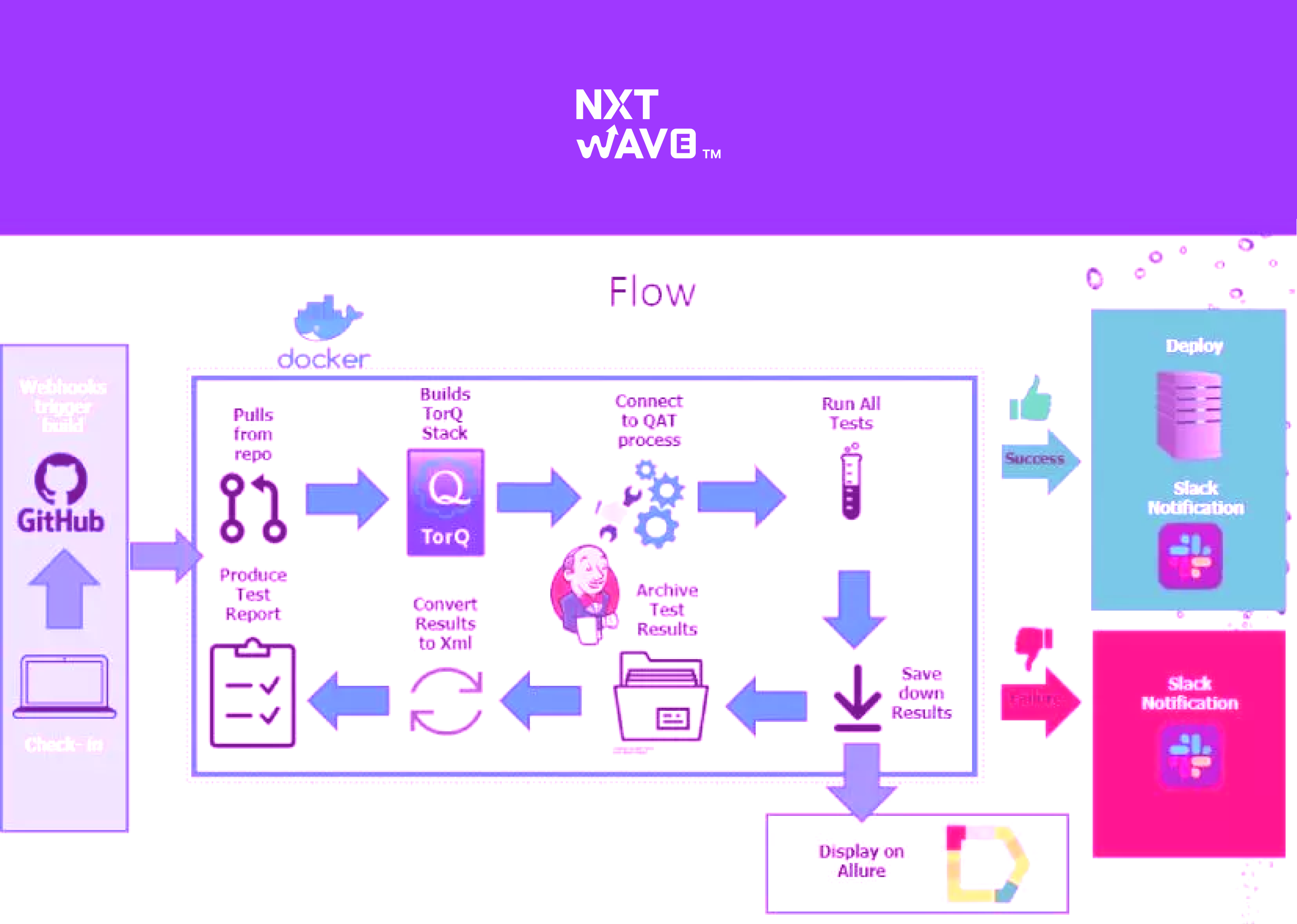
Create a project, and then, set up a complete CI/CD pipeline to automate the testing and deployment of the project. This work represents the deep understanding of DevOps practices and a professional attitude towards software development. Also, it is a really good way to highlight a full-stack application with the main focus of automation.
Source Code: https://github.com/idurar/idurar-erp-crm
7. Microservices-based MERN App
Decompose a big application into smaller, isolated services. This is a great project that highlights your ability to architect and engineer a scalable and sustainable solution. It is a deep technical understanding with the focus of software architecture.
Source Code: https://github.com/mehdihadeli/food-delivery-microservices
8. Disaster Management System
A maze of systems for effectively handling and reporting the crisis situation. The project has the features of managing time-sensitive data, live updates, and an interface that is easy to navigate. It is a great opportunity to showcase a full-stack app with the central theme revolving around data handling and user engagement.
Source Code: https://github.com/kratitripathi/Natural-Disaster-Management-System
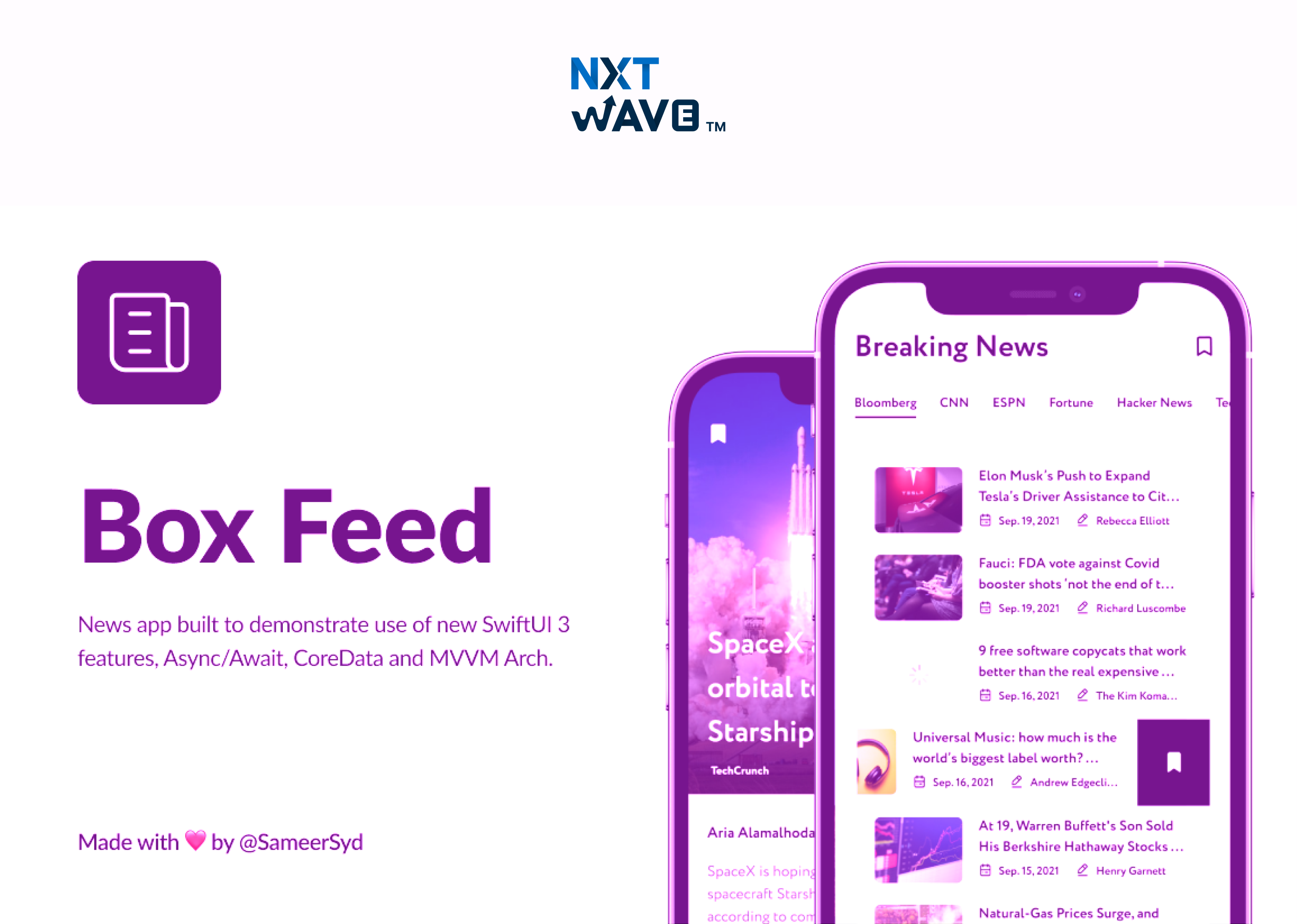
9. Scalable News Application
A news app that can comfortably deal with an enormous number of visitors and content updates. This work involves processing a large volume of data, providing the latest news, and having a user-friendly interface. It is an outstanding example of a full-stack application with a focus on data management and user interactions.
Source Code: https://github.com/dequan1331/HybridPageKit
10. Data Visualization Dashboard
An application that presents intricate data through interactive charts and graphs. The project is designed to manage a vast amount of data, provide real-time updates, and feature a user-friendly interface. It is a very good demonstration of a full-stack application with the primary theme being data handling and user engagement.
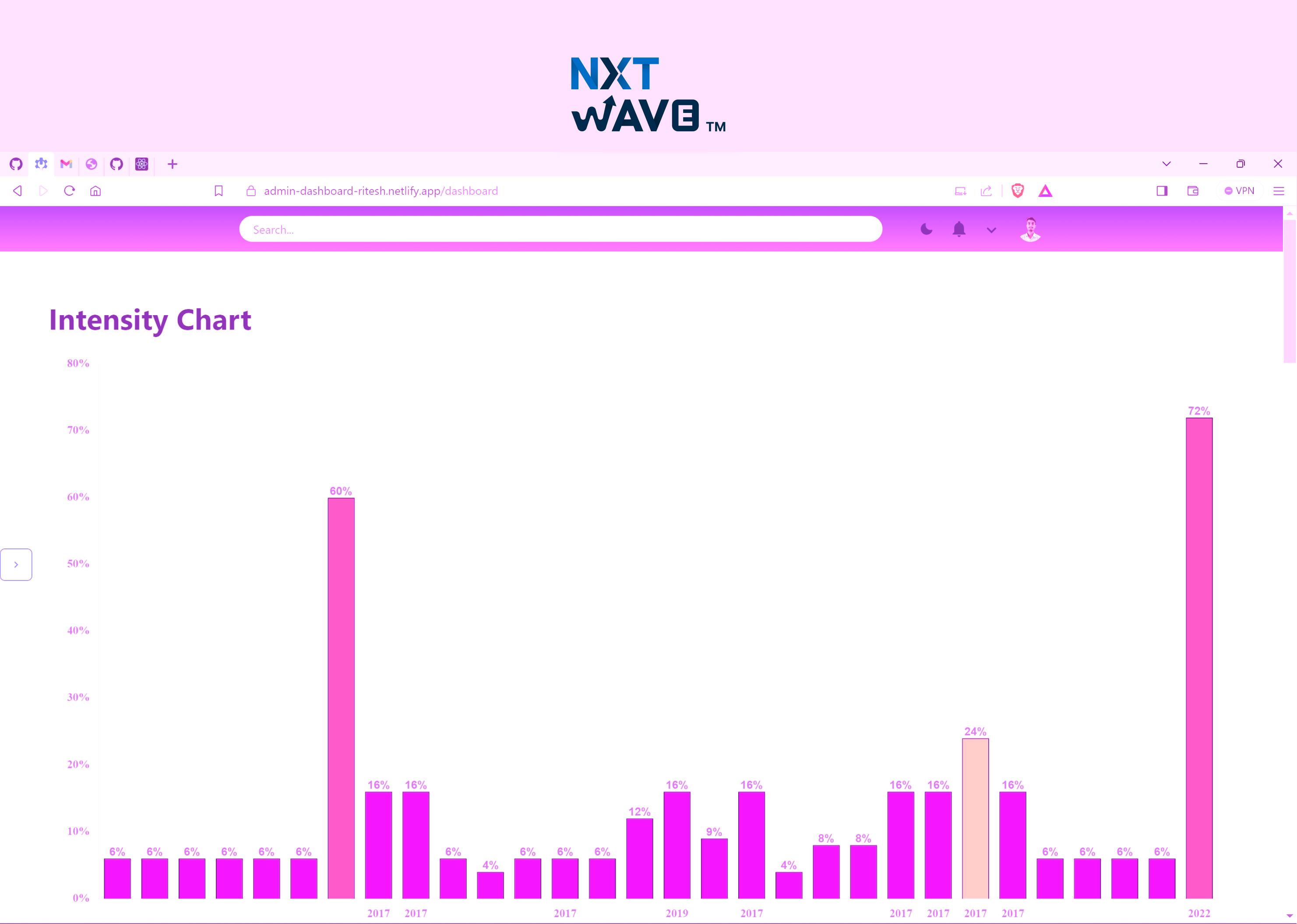
Source Code: https://github.com/RiteshKumarShukla/Data-Visualization-Dashboard
11. Online Therapy & Guidance Platform
A closed platform designed for instant video calls between therapist and client. The project requirements are real-time video, secure data, and a user-friendly interface. It is a perfect example of a full-stack application with a strong focus on data management and user interactions.
Source Code: https://github.com/VGandhi27/Counselling-System
12. Stock Market Portfolio App
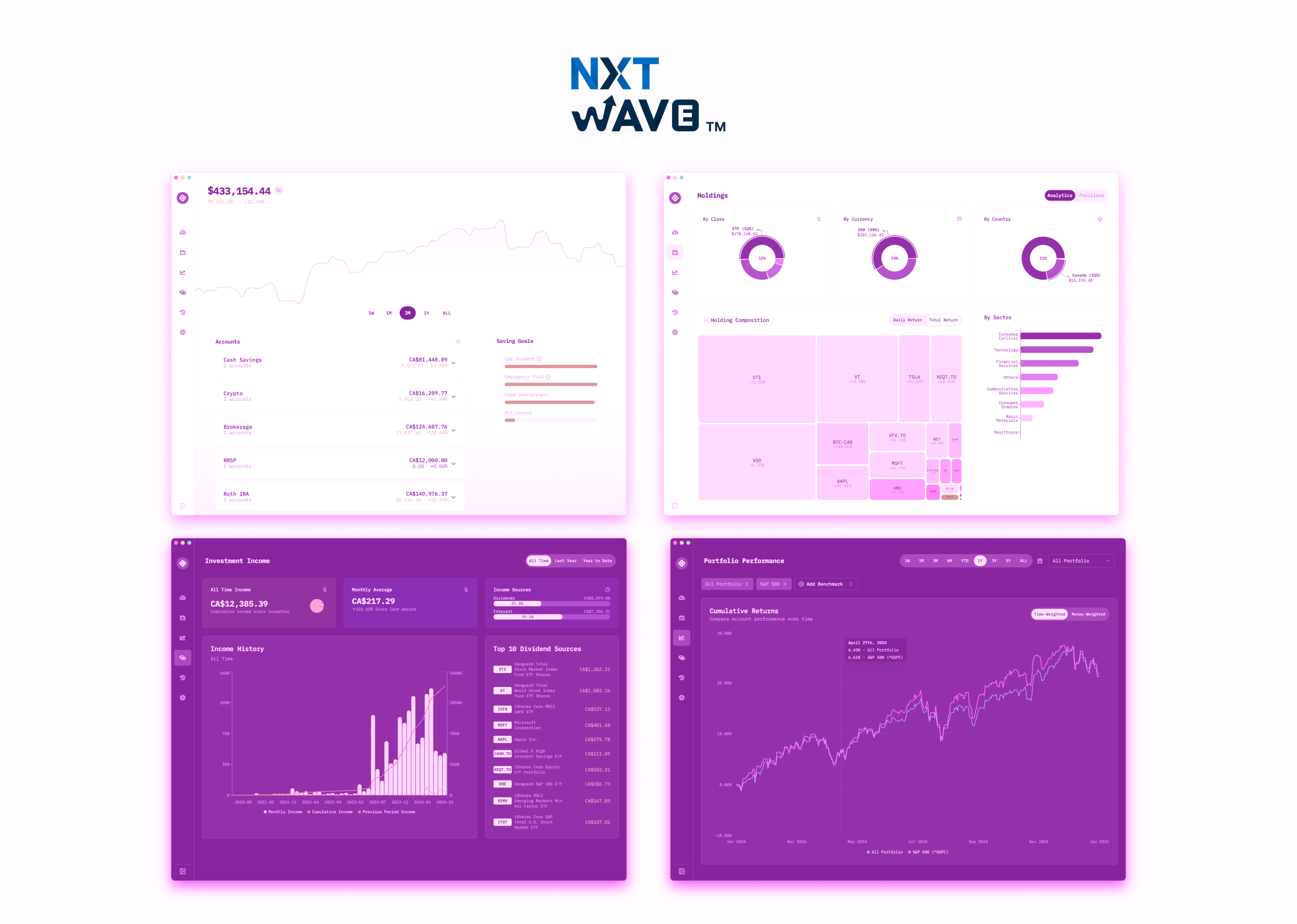
A real-time app to monitor stock prices and handle a portfolio. This is a project that deals with real-time data, stock market APIs, and a user-friendly interface. In a way, this is the best presentation of a full-stack application with the emphasis on data management and user interactions.
Source Code: https://github.com/afadil/wealthfolio
13. Blockchain-Integrated Application
A web app that communicates with a blockchain for decentralized data storage. This is the best way to show your skills of working with advanced technology and a full-stack application with a strong focus on data management and user interactions.
Source Code: https://github.com/SarveshKadam/Blockchain
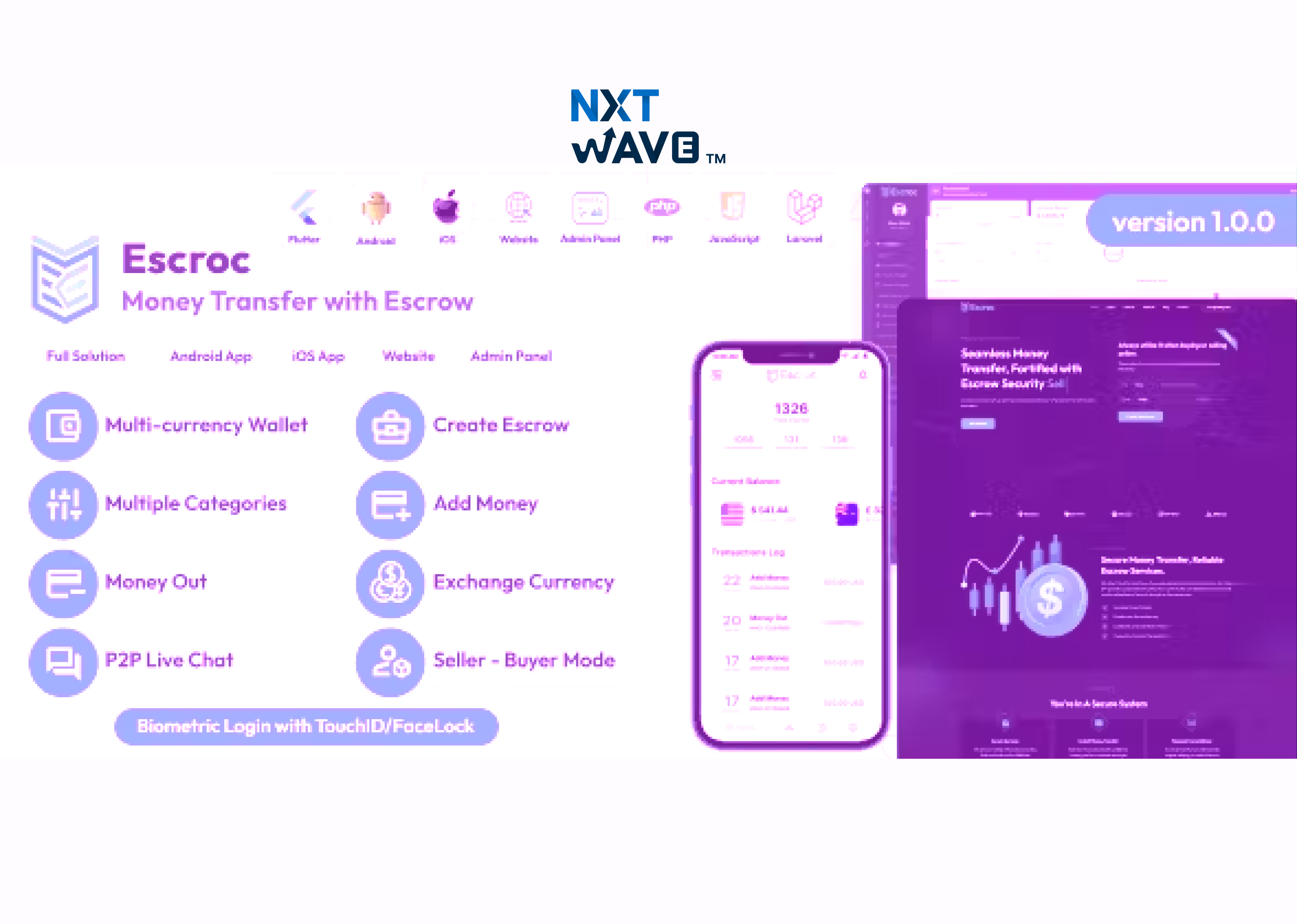
14. Subscription Management System
An app for managing user subscriptions, and recurring payments. The subscription management system is a project that deals with user subscriptions, recurring payments, and a user-friendly interface. You may present this as the best full-stack application with a major focus on data and user interactions.
Source Code: https://github.com/billabear/billabear
15. Custom Logo Maker Platform
A tool that enables users to create and customize their own logos. The creation of the Custom Logo Maker Platform is a user-generated content handling project that also involves image editing and a user-friendly interface. You can present this as the most versatile full-stack application with a focus on data and user interactions.
Source Code: https://github.com/chellseacarmel/Logo-Maker-Website
Quick Note: MERN Stack Projects Developed by Famous Personalities
Some renowned developers and tech educators have built or open-sourced complete MERN applications — excellent learning references:
- Traversy Media’s DevConnector – A complete social network for developers.
- The Net Ninja’s MERN Auth Tutorial App – Teaches secure authentication best practices.
- FreeCodeCamp’s MERN Course Project – Covers CRUD + deployment in one course.
- Academind’s MERN Blog App – Clean architecture and modular backend.
- CodeWithHarry’s MERN Notes App – Simplified example for beginners in India.
Key Takeaways So Far
- Use AI APIs or machine learning models for innovation.
- Incorporate real-time data and scalability with WebSocket or Kafka.
- Treat these projects like professional products — test, deploy, and maintain them.
AI-Powered MERN Project Ideas to Future-Proof Your Portfolio
AI is not a new thing anymore; it is becoming a part of every application that is developed in the recent times. To incorporate AI in your MERN projects is a perfect way to let the employers know that you are the one who is keeping up with the latest technologies. Here are some mern stack project ideas with an AI twist.
- Smart Chatbots: Design a chatbot that is capable of comprehending and answering user queries through Natural Language Processing (NLP). In such a proposition, you are showing your skill of employing AI models and fabricating a user-friendly conversational interface.
- Recommendation Systems: Develop a personalized recommendation system that can suggest products, content, or movies by analyzing the behavior and historical activities of the users. Hence, you are showing the world that you have the capability to construct data-driven and smart applications.
- Face Recognition Logins: Set up an AI-powered facial recognition system to facilitate a secure login process. It is a highly impressive project that represents your expertise in computer vision and security.
- Real-Time Analytics: Create a dashboard that employs AI to monitor the behavior of the users in real-time and generates the necessary guidelines. Such a project suggests you are able to manage the complexity of data flow and utilize AI for instant decision-making.
How to Estimate Complexity, Time, and Effort for Each Project?
A project is like a journey, and planning is the map that keeps you from getting lost along the way guiding you to reach your destination successfully.
- Define the Scope: Segment the entire project into smaller, more digestible pieces or subtasks. You can just write down the list of the features in a text editor, a spreadsheet, or even better with a project management tool like Trello. Make a clear separation of features into two categories: "must-have" and "nice-to-have".
- Work Breakdown Structure (WBS): Illustrate the organization structure of all the tasks. For instance, a blog app may be represented as: 1. Backend -> 1.1. User Model -> 1.2. Post Model. This drawing helps you understand the whole project better and at the same time, it guards you against skipping stages of the process.
- Time Estimation: Keep it truthful as to how long the performance of a particular task will take. Your first guess can be doubled or even tripled, especially in the case of a beginner. Don’t forget to always put a "risk buffer" ranging from 10-25% for the time when there are unexpected issues or bugs.
- Story Points (Agile Methodologies): If you prefer a more sophisticated manner, just go for the story points to predict the needed effort. The story points are a method of comparison to the difficulty of the given task rather than the time to complete it. This is a method commonly used in professional developer teams.
Best Practices and Coding Standards That Impress Recruiters
Recruiters are in search of developers who produce professional, readable code. When you abide by these best practices your work will shine.
- Modular Architecture: Do not think of your application as one big block of code. Rather, carve it out into small, reusable modules. In addition, keep your front-end components separate from your back-end logic, and both of them should be in their own directories.
- Use Proper Naming Conventions: Naming is the first thing a developer will notice in your code. Make names short but descriptive at the same time. Variables, functions, and file names should speak for themselves. E.g., getPosts is more descriptive than getData.
- Implement Error-Handling Routines: Your app had better not to go down in the event of an error. Put the code that is likely to throw an error in a try block and catch the error with (Node.js) routes. Then send a string describing the error along with the HTTP status code.
- Security First: Remove all malicious scripts from inputs. Store sensitive data like API keys in environment variables. Never store passwords in plaintext. Instead, hash passwords with bcrypt, and sign the JWTs that help with authentication.
- Know The Advantages Of Writing Comments In Your Code: While your code should be self-explanatory, the short comments, relevant to specific lines or blocks of code, will clarify the intent of the code. Along with the use of linters and formatters such as ESLint and Prettier, the developer will always follow a particular style and it will be their habit that the style is consistent.
How to Show MERN Projects on GitHub, LinkedIn and Portfolios
Your projects reflect your skills, but you have to put them out in a right way.
1. GitHub: Your GitHub account is the most valuable thing you have. Each project should be accompanied by a well-written README.md file that covers:The description of the project in a very clear manner. A tech stack that has been used (the MERN stack plus other libraries). A URL for the app to be used that is the live demo of the application.Step-by-step instructions for setting up and running the project locally. Pictures or short videos of the application in action.
- A clear project description.
- A list of technologies used (the MERN stack and any other libraries).
- A link to the live demo of the application.
- Instructions on how to set up and run the project locally.
- Screenshots or GIFs of the application in action.
2. LinkedIn: Go to the "Featured" section on your LinkedIn profile and add your top MERN projects there. Provide links both to the running program and to the repository on GitHub, and
write a short but catchy description of what you created and what skills you used.
3. Portfolio Website: Having a dedicated "Projects" area in your professional portfolio website is beneficial. Detail each of your projects with a title, an attractive image, a short description, the technology used, and links to the live version of the app and the GitHub repository. If you want to view the projects quickly, then the links to the mern stack project with source code are the first thing you should look.
Common Mistakes Students Make in MERN Projects
By avoiding these common pitfalls, you will be ahead of the game.
- Back End Neglect: Typically, students end up with the front-end UI that they treat the back end is added later. Recruiters are interested in seeing a working server and database.
- Bad security: If passwords are stored in plain text or API keys are exposed, it's a huge no-no. Environment variables should always be used for sensitive data and passwords should be hashed with bcrypt.
- No Version Control: The absence of Git or having a disorderly commit history is like a bad smell for your professionalism. Be certain that you are using Git as a standard practice and typing your commit messages with clarity and carefully.
- Project Not Deployed: A project that is only on your local machine is of no use to a recruiter. Make it a habit to deploy your projects to a live URL.
- Documentation Deficiency: No README.md file means a recruiter has no idea what your project is or how to run it. Document your work at all times and do it thoroughly.
How MERN Projects Can Open Doors to These Job Roles?
MERN projects portfolio works like agility in your career and have showed you how you can take up the numerous career ways that exist.
- Full-Stack Developer: Undoubtedly, this type of job is the most straight-lined one from where you begin talking about your MERN projects, skills, and achievements of tooling both browser as well as server-side knowledge in one project.
- Front-End Developer: Those React projects of yours can help you become a front-end developer. Moreover, knowing the back-end will definitely be a big plus for you.
- Back-End Developer: Just by proving to the Solicit team of your excellence in Express.js and Node.js, they won't hesitate to give to you a back-end post. Programming of the client-side is like icing on the cake as it outlines your understanding of the development cycle.
- Software Engineer: The presentation of your deep knowledge of the MERN stack, coupled with all other skills such as system design and problem solving, will turn you into an ideal candidate for most of the opening positions in software engineering.
Where to Get Help, Feedback, and New Project Ideas
The MERN community is large and very helpful. Here are some places where you can find help and get inspired.
- Online Communities: Become a member of MERN Discord servers and r/mernstack and r/reactjs subreddits which are MERN-specific. These are excellent places to raise questions and get an opinion from a seasoned developer.
- Mentors: The support of a mentor who can show you the way and check your code is simply invaluable. You can search for mentors through professional networks, bootcamps, or online platforms.
- Open-Source Projects: Working on open-source MERN projects on GitHub is a great way to get the ground reality, learn from experienced developers, and get your code reviewed.
- Hackathons: Joining hackathons is a fantastic method to challenge yourself, collaborate with a team, and create a project from nothing in a very brief time span. At these events, you will get a lot of mern stack project ideas.
Step-by-Step Plan to Build a Strong MERN Stack Portfolio
Building a portfolio for your projects can be made simple and effective with this brief plan.
- Master the Fundamentals: Understand completely the individual components of MERN before starting your project.
- Build 2-3 Foundational Projects: Follow the above simple project list and your understanding will grow.
- Choose a "Capstone" Project: Find one or two such projects that raise your portfolio to a new level and you can consider your best work.
- Refine Your Code: Improvement of code efficiency, clean code writing, adding comments and documentation, all should be done.
- Deploy Everything: You can take professional hosting services (like Netlify, Vercel, or AWS) and deploy all your projects to live URLs.
- Create Your Portfolio Site: Develop a professional portfolio website to your skills and projects displaying.
- Network and Apply: The powerful portfolio you build can be used to apply for jobs and also to connect with other developers on platforms like LinkedIn.
What We Learned
- MERN stack projects strengthen both frontend and backend mastery.
- Begin with CRUD → progress to APIs → master real-time + AI projects.
- Deploy everything; a project unseen is a project undone.
- Write documentation, maintain repos, and track metrics (stars, forks).
Conclusion
Your MERN projects are definitely not only for practice; they are your most powerful tool to get a job. The work you do is a proof of your expertise, imagination, and discipline. The mern stack project you create, release, and display in a professional manner, is not simply a portfolio of applications but a portfolio that will help you to be visible among the recruiters and to get the job you desire in the technical field.
Why It Matters?
Practical projects translate theory into employable skills. Whether you’re a student or working developer, consistent project work builds portfolio depth, demonstrates consistency, and improves career outcomes.
Practical Advice for Learners
- Treat each project as a mini startup — focus on user problems.
- Use GitHub issues and commit logs to showcase learning progress.
- Record short demo videos for each project (recruiters love visual proof).
Frequently Asked Questions
1. How Long Does it Take to complete the MERN Stack project
The time it takes to complete a MERN stack project is determined by the project's complexity.
- Simple Projects such as ToDo List or Notes Maker can take 2-4 weeks to complete.
- Advanced projects such as a social media platform or AI-powered apps, will require more than 3-6 months.
2. Why building MERN Stack Projects Important?
MERN stack projects become very important for several reasons:
- They cover frontend and backend technologies that enable a developer to build a full-stack perspective and versatile skills throughout the development lifecycle.
- These have a unified technology stack in which JavaScript is used for client-side and server-side development, hence making the coding easier and avoiding the hassle of switching between languages and tools.
- MERN stack projects bring together state-of-the-art technologies and best practices adhering to industry standards, which equip developers not only with modern industry standards but also make them more marketable.
- Working on projects involving the MERN stack gives hands-on experience in building robust and scalable applications that employers want and are important in real-world problem-solving.
- The completion of projects using the MERN stack can help increase the likelihood that more complex full-stack applications are built, thus making the portfolio look more attractive to potential employers and clients.
3. What is a Full Stack MERN project?
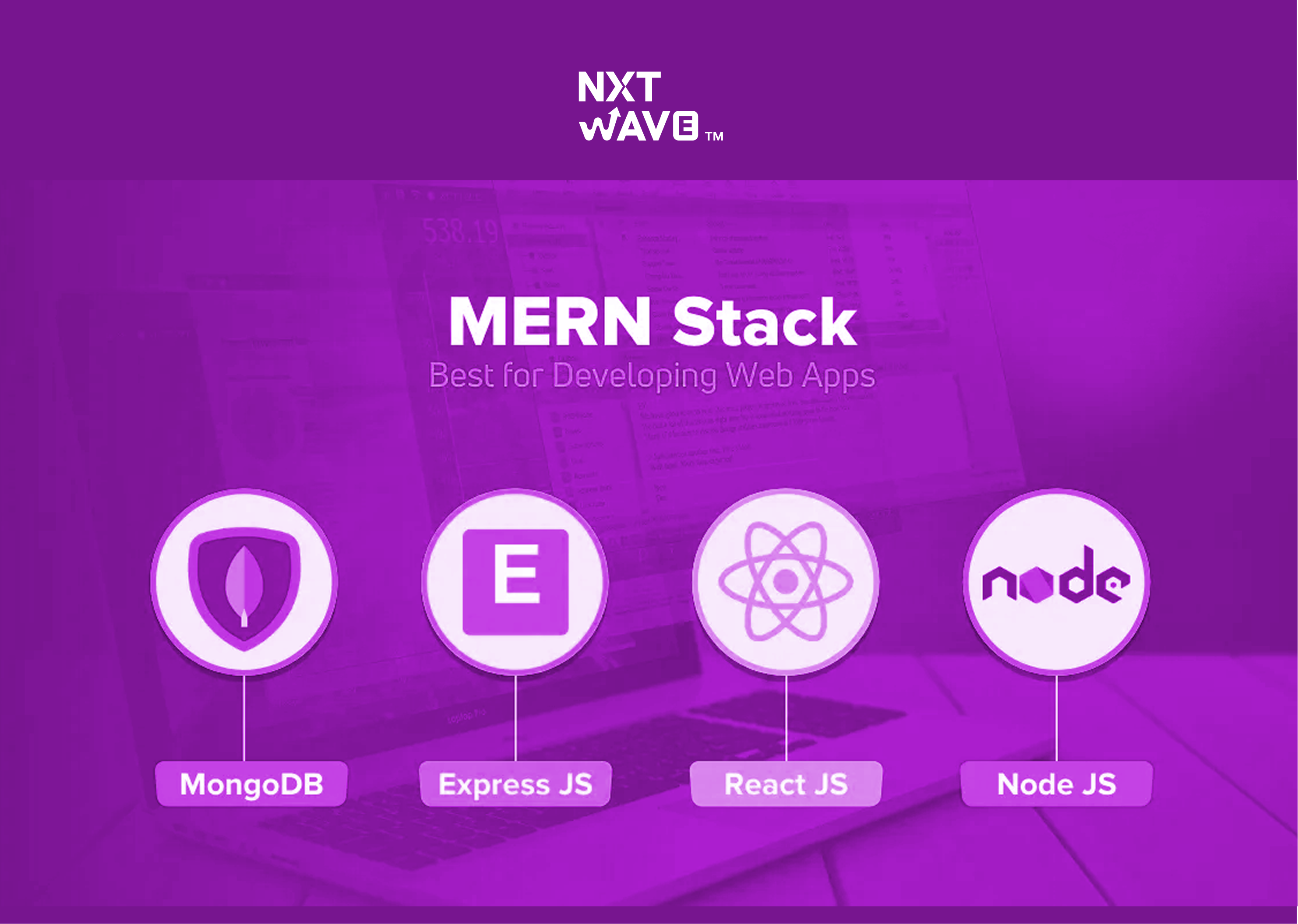
Full Stack MERN projects are those web applications that use the MERN stack. The MERN stack consists of MongoDB, Express.js, React, and Node.js which allows the development of both the frontend and the backend using JavaScript. It includes MongoDB as the database, Express.js for server-side logic, React for the user interface, and Node.js powering the server. This makes such projects able to cover a comprehensive approach toward web development and demonstrate the skills in the whole process of development.
4. What are some of the recommended MERN stack projects for final-year students?
Here are the project ideas for final-year students should consider:
- Online Learning Management Systems: Design online Learning Management Systems to manage courses, student progress, and interactive content.
- Real-time Collaboration Tools: These would be chat apps or any project management tool that would allow real-time updating.
- E-commerce platforms: Product listing, user accounts, and payment processing.
- Social networking sites: It possesses all the features that a social networking site should have, like user profiles, posts, comments, notifications, etc.
5. What is a good MERN stack project?
One good MERN stack project is a project that shows your fluency in all four technologies are MongoDB, Express.js, React, and Node.js. A project with basic CRUD (Create, Read, Update, Delete) functionality, such as a to-do list or simple blog, is suitable for beginners. For developers with more experience, a project with complex features like user authentication, real-time chat or the integration of a third-party API is a better choice to showcase advanced skills. The best projects are those that you are truly excited to create.
6. How much time for MERN stack?
The learning time of the MERN stack depends on your current knowledge. For a complete beginner, it may take several months to one year to become a professional, as learning the fundamentals of JavaScript is a prerequisite before learning each component. If you are already proficient in JavaScript, then you can take up to a minimum of 3 months and a maximum of 6 months of focused practice to get a beginner-level MERN developer. The best method to learn is through project building.
7. Which database is best for MERN stack?
MongoDB is the "M" in MERN, meaning it is the default and most suitable database for the stack. It is aNoSQL, document-based database that represents the data in a JSON-like way. Basically, the whole MERN stack is written in JavaScript and JSON, thus there is no need of data translation. MongoDB's schemaless design gives you the freedom to model your data and at the same time, it's natural that the rest of the stack are technically implemented in the same way. Hence, developers can think of the most cohesive and efficient way of MERN development as one that takes MongoDB as their database.
8. How to secure your MERN stack project
To secure a MERN stack project effectively, it is necessary to follow the good practices both on the client side and server side. For instance, you should protect user passwords with a strong encryption algorithm like bcrypt and manage user authentication with JSON Web Tokens (JWTs). Among the other significant measures that one can take are the strict validation and sanitization of user input to eliminate the possibility of injection attacks, using HTTPS for data transfer, which is secure and implementing rate limiting to ensure that the number of requests from a particular IP address is restricted. Helmet.js, for example, can also contribute to your security efforts by providing the important HTTP headers.
Multiple Choice Questions
1. What does "M" stand for in MERN?
A) MySQL
B) MongoDB
C) Mongoose
D) MariaDB
Answer: B) MongoDB
2. Which framework in the MERN stack is used to build a web application's backend?
A) React
B) Express.js
C) Node.js
D) MongoDB
Answer: B) Express.js
3. Which technology from the MERN stack manages the database?
A) Express.js
B) React
C) Node.js
D) MongoDB
Answer: D) MongoDB
4. Which library is primarily used for building user interfaces in MERN stack development?
A) Mongoose
B) Node.js
C) React
D) Express.js
Answer: C) React
5. Which tool is commonly used to handle real-time communication in a MERN stack application?
A) Mongoose
B) Socket.io
C) Redux
D) Webpack
Answer: B) Socket.io